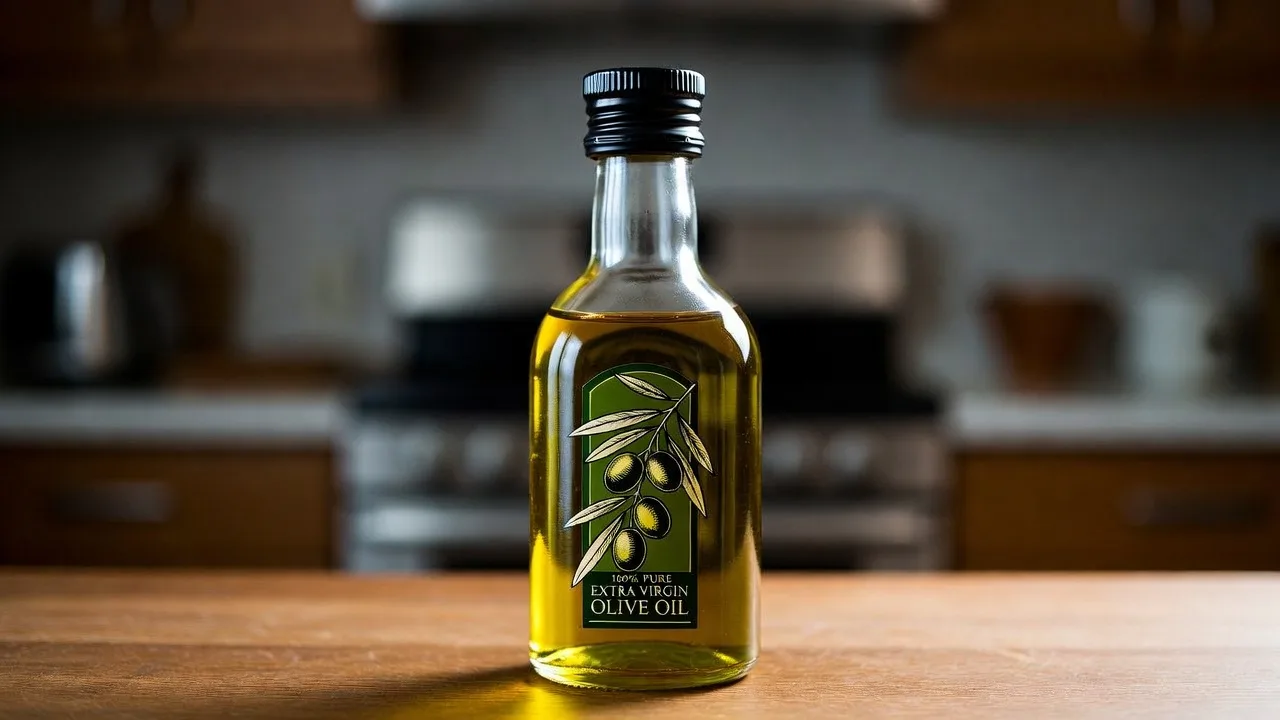
Is olive oil vegan? Yes. Olive oil is 100% plant-based. It comes from pressing the fruit of the olive tree (Olea europaea) — no animal products, no animal byproducts, and no animal-derived processing aids are used at any stage of extra virgin olive oil production. Is olive oil vegan in every form? Extra virgin, virgin, and even refined olive oil are all vegan. The question sounds simple, but vegans have valid reasons to ask it — some oils and foods that appear plant-based involve animal-derived processing. Olive oil doesn't. Here's the complete breakdown.
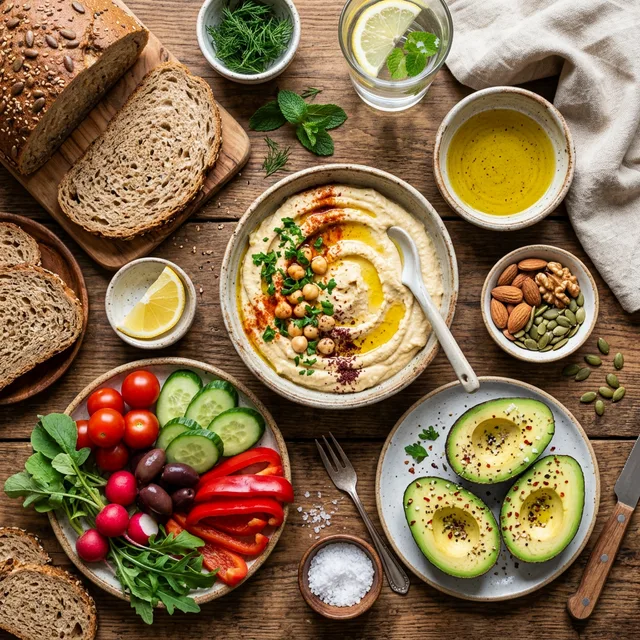
Is Olive Oil Vegan? The Production Process
Understanding why olive oil is vegan requires knowing how it's made. The production process involves exactly four steps — none involve animals.
Step 1 — Harvesting: Olives are picked from trees by hand, mechanical shakers, or combing rakes. The trees grow in groves across the Mediterranean region and increasingly in California, Australia, Chile, and South Africa. No animal products are involved in cultivation or harvesting.
Step 2 — Washing: Harvested olives are washed in clean water to remove dirt, leaves, and debris. Water. That's it.
Step 3 — Crushing and malaxation: The whole olives (flesh, skin, and pit) are crushed into a paste using stone mills or stainless steel hammer mills. The paste is slowly mixed (malaxed) for 20-40 minutes at controlled temperatures to allow oil droplets to coalesce. Is olive oil vegan at this stage? Absolutely — it's mechanical processing of fruit. No enzymes, no animal-derived agents, no additives.
Step 4 — Separation: The olive paste enters a centrifuge (or, traditionally, a hydraulic press) that separates the oil from the water and solid residue. The oil is filtered or allowed to settle naturally, then bottled. No fining agents, no clarifying agents, no animal involvement.
Compare this to wine production, where animal-derived fining agents (isinglass from fish bladders, casein from milk, gelatin from bones, albumin from eggs) are commonly used to clarify the liquid. Wine is the reason vegans learn to question seemingly plant-based products. But is olive oil vegan? It avoids every concern that wine raises — olive oil production is purely mechanical, with no biological or chemical fining step.
Is Olive Oil Vegan? Potential Concerns Addressed
Refined Olive Oil Processing
Extra virgin olive oil is never refined — it goes from fruit to bottle through mechanical means only. But refined olive oil (labeled "pure," "classic," or "light") undergoes chemical refining to remove defects. The refining process uses activated carbon, diatomaceous earth (a natural mineral), and sodium hydroxide (a chemical base) — all non-animal substances. Is olive oil vegan when refined? Yes. No animal-derived agents are used in olive oil refining.
Filtering
Some producers filter olive oil to remove tiny particles of olive flesh and water. Olive oil filtration uses either cellulose pads (plant-derived) or diatomaceous earth (fossilized algae — technically mineral, not animal). Neither is animal-derived. Unfiltered olive oil skips this step entirely. Is olive oil vegan whether filtered or unfiltered? Yes to both.
Cross-Contamination
Large-scale food facilities sometimes process multiple products on shared equipment. Could olive oil be contaminated with animal products? Practically speaking, no. Olive oil mills process only olives. They don't handle meat, dairy, eggs, or any animal products. The risk of cross-contamination is effectively zero. Is olive oil vegan from a cross-contamination perspective? Yes — it's one of the safest vegan foods for this concern.
Organic Farming and Fertilizers
Some strict vegans question whether organic olive oil qualifies as vegan because organic farming may use animal-based fertilizers (bone meal, blood meal, fish emulsion, manure). This is a philosophical question rather than a practical one. The Vegan Society — the organization that coined the word "vegan" in 1944 — considers plant foods grown with animal-based fertilizers to be vegan. The fertilizer feeds the soil and tree, not the olive fruit, and no animal products end up in the oil. Is olive oil vegan even when organic? The mainstream vegan consensus is yes.
Pesticides and Insects
Conventional olive farming uses pesticides that may incidentally kill insects. Some vegans concerned about insect welfare question whether this makes conventionally grown olive oil non-vegan. Again, the Vegan Society and PETA both classify conventionally grown plant products as vegan. Avoiding all products where insects may be harmed during agriculture would make virtually all food — including organic food — non-vegan, which is an impractical standard. Is olive oil vegan despite conventional farming practices? The vegan community overwhelmingly says yes.
Is Olive Oil Vegan? Certifications to Look For
If you want absolute certainty that your olive oil meets vegan standards, look for these certifications:
- Vegan Society Trademark (sunflower logo): The gold standard. Certifies that no animal products are used in production, processing, or packaging. Several European olive oil producers carry this certification.
- Certified Vegan (green heart logo): Issued by Vegan Action in the US. Certifies no animal ingredients, no animal testing, and no animal-derived processing agents. Some premium EVOO brands display this certification.
- V-Label (European Vegetarian Union): Common in Europe. Distinguishes between vegetarian and vegan with clear labeling. Some Italian and Greek producers carry it.
The absence of a vegan certification does NOT mean olive oil isn't vegan. Most olive oil producers don't pursue vegan certification because olive oil is so obviously plant-based that the certification seems redundant. Is olive oil vegan without a vegan label? Yes — the certification is a marketing choice, not a quality or ingredient distinction.
Why Olive Oil Is the Best Vegan Fat Source
Now that we've established that olive oil is vegan, here's why it should be the primary fat in every vegan diet.
Complete fat profile: Vegans need dietary fat for hormone production, vitamin absorption (A, D, E, K are fat-soluble), brain function, and cell membrane integrity. The calories in extra virgin olive oil deliver 73% monounsaturated fat (oleic acid), 10% polyunsaturated fat (including omega-3 ALA), and 14% saturated fat — a ratio that reduces cardiovascular risk while providing all essential fatty acid classes.
Vitamin E: One tablespoon of EVOO provides 14% of the daily value of vitamin E — an antioxidant that many vegans struggle to get enough of without supplementation. Two tablespoons daily covers nearly 30% of needs from a single whole-food source.
Polyphenol antioxidants: The polyphenols in EVOO — oleocanthal, hydroxytyrosol, oleuropein — provide anti-inflammatory and antioxidant benefits that no other common vegan fat delivers. Coconut oil has zero polyphenols. Avocado oil has minimal polyphenols. Seed oils have none. Is olive oil vegan AND nutritionally superior? On the polyphenol metric, it's in a class of its own among plant-based fats.
Iron absorption: Vegans commonly struggle with non-heme iron absorption. Vitamin C improves iron uptake — and so does the oleic acid in olive oil. Drizzling EVOO on iron-rich plant foods (spinach, lentils, chickpeas) and pairing with lemon olive oil for vitamin C creates optimal iron absorption conditions for vegans.
Cooking versatility: Olive oil handles virtually every vegan cooking application. Sautéing, roasting, dressing, dipping, baking, and finishing. Its high oleic acid content provides excellent heat stability — debunking the myth that EVOO can't handle cooking temperatures. One oil for all applications simplifies a vegan kitchen.
Is Olive Oil Vegan in Beauty Products?
Is olive oil vegan when used in skincare and beauty products? The olive oil itself is always vegan. But olive oil soaps, shampoos, and cosmetics may contain other non-vegan ingredients alongside the olive oil — beeswax, lanolin, carmine, or keratin.
To ensure an olive oil beauty product is fully vegan:
- Read the full ingredient list — not just the marketing highlights
- Look for Vegan Society or Leaping Bunny certification (cruelty-free + vegan)
- Avoid: beeswax (cera alba), lanolin, stearic acid (if animal-derived), carmine, tallow, keratin
- Choose brands that explicitly state "vegan" on packaging
Pure Castile soap — made from 100% olive oil and sodium hydroxide — is inherently vegan. Traditional Aleppo soap (olive oil + laurel oil + lye) is also vegan. These are the simplest, purest vegan beauty products you can buy. Does olive oil clog pores? Depends on skin type, but the oil itself remains plant-based regardless.
Vegan Recipes with Olive Oil
Mediterranean Chickpea Bowl
Roast canned chickpeas with 2 tablespoons EVOO, smoked paprika, cumin, and salt at 200°C for 25 minutes. Serve over couscous with roasted red peppers, cucumber, cherry tomatoes, and a generous drizzle of high-polyphenol EVOO. Top with tahini and lemon juice. Complete vegan protein, healthy fats, and iron in one bowl.
Olive Oil Bread Dip
Pour quality EVOO into a shallow dish. Add balsamic vinegar, za'atar, crushed red pepper, and flaky salt. Serve with warm crusty bread. This is the simplest vegan appetizer — and one of the most impressive. The quality of the olive oil is the entire experience. Use your best early harvest or Coratina for maximum impact.
Pasta Aglio e Olio (Vegan)
The classic Roman pasta is naturally vegan — spaghetti, garlic, olive oil, chili flakes. Skip the Parmesan (or use nutritional yeast). Heat 4 tablespoons of EVOO with 6 sliced garlic cloves over low heat until golden. Toss with al dente spaghetti and pasta water. The olive oil IS the sauce. Basil infused olive oil works beautifully here.
Is Olive Oil Vegan? The Complete Answer
Is olive oil vegan? Unequivocally yes. Every grade, every variety, every brand. The production process is entirely mechanical, uses no animal-derived inputs, and carries zero cross-contamination risk. Olive oil is the ideal vegan fat — delivering oleic acid, polyphenols, vitamin E, and cooking versatility that no other plant-based oil matches. Stock your kitchen with quality cold-pressed EVOO, store it in dark bottles, use it generously, and stop wondering. Is olive oil vegan? It's been vegan for 5,000 years.