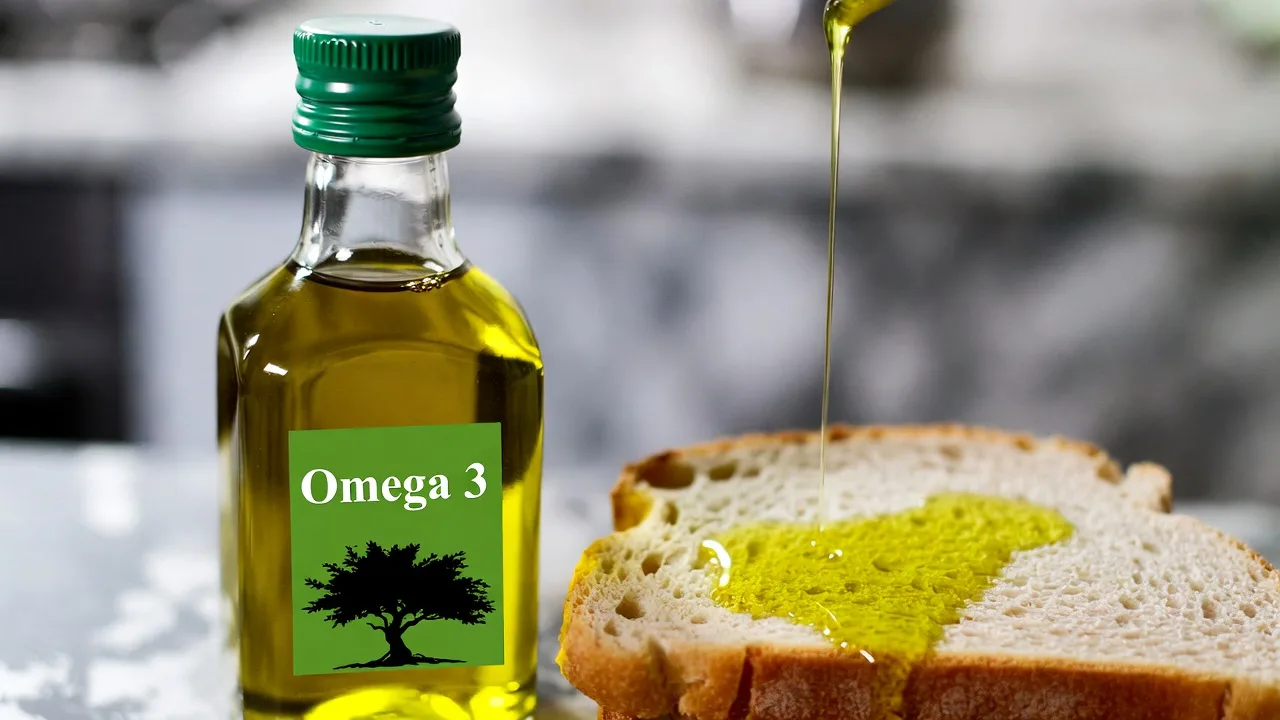
Olive oil omega 3 content is one of the most misunderstood topics in nutrition. The short answer: olive oil contains a small amount of omega-3 (about 0.7-1% of total fat), but that's not why olive oil is healthy. Olive oil's health power comes from its dominant omega-9 oleic acid (70-80%), its polyphenol antioxidants, and its exceptional omega-6 to omega-3 ratio. Understanding the full olive oil omega 3 picture changes how you think about dietary fats entirely.
Olive Oil Omega 3 Content: The Numbers
A standard 15ml tablespoon of extra virgin olive oil contains approximately 14 grams of total fat. Here's the olive oil omega 3 breakdown according to the USDA FoodData Central database:
- Omega-9 (oleic acid): 9.8g (70-80% of total fat) — the dominant fatty acid
- Omega-6 (linoleic acid): 1.3g (7-14% of total fat) — an essential fatty acid
- Omega-3 (alpha-linolenic acid/ALA): 0.1g (0.7-1% of total fat) — trace amounts
- Saturated fat: 1.9g (14% of total fat) — mostly palmitic acid
So olive oil omega 3 content is low in absolute terms. A tablespoon delivers about 103mg of ALA omega-3 — compared to 1,000-2,000mg of EPA/DHA omega-3 in a standard fish oil capsule. If you're looking for a concentrated omega-3 source, olive oil isn't it. But here's what most articles get wrong: that doesn't make olive oil's fat profile inferior. It makes it different — and in many ways, superior.
Why Olive Oil Omega 3 Ratio Matters More Than Quantity
The olive oil omega 3 story isn't about absolute omega-3 content. It's about the ratio of omega-6 to omega-3 — and olive oil's ratio is nearly perfect.
The typical Western diet delivers an omega-6 to omega-3 ratio of 15:1 to 20:1. This imbalance promotes chronic inflammation — a driver of cardiovascular disease, diabetes, cancer, and autoimmune conditions. The WHO and most nutritional scientists recommend a ratio closer to 4:1 or lower.
Olive oil's omega-6 to omega-3 ratio is approximately 10:1 to 13:1. While not perfect, it's dramatically better than the ratios found in common seed oils:
- Soybean oil: 7:1 omega-6 to omega-3
- Corn oil: 46:1 omega-6 to omega-3
- Sunflower oil: 40:1+ omega-6 to omega-3
- Canola oil: 2:1 omega-6 to omega-3
- Olive oil: 10-13:1 omega-6 to omega-3
Canola oil technically has a better omega-6:3 ratio than olive oil. But canola oil is industrially refined, hexane-extracted, and contains zero polyphenols. Olive oil omega 3 content may be modest, but olive oil's total health package — oleic acid, polyphenols, squalene, vitamin E — crushes canola on every other metric that matters for daily health.
Olive Oil Omega 3 vs. Omega 9: What Actually Drives Health Benefits
Olive oil's superpower isn't omega-3. It's omega-9 oleic acid — and this distinction matters.
Oleic acid (omega-9) makes up 70-80% of olive oil's fat content. It's a monounsaturated fatty acid (MUFA) that directly reduces LDL cholesterol, improves insulin sensitivity, reduces blood pressure, and decreases inflammatory markers. The PREDIMED trial — the largest randomized dietary trial ever conducted — showed that a Mediterranean diet rich in olive oil reduced cardiovascular events by 30%. This benefit came primarily from oleic acid and polyphenols, not from olive oil omega 3.
The European Food Safety Authority (EFSA) authorized health claims for olive oil based on its "high content of oleic acid" and polyphenols — not omega-3. When you drink a tablespoon of olive oil daily, the oleic acid is doing most of the heavy lifting.
Olive Oil Omega 3 vs. Fish Oil: How They Compare
People searching for olive oil omega 3 often want to know whether olive oil can replace fish oil supplements. The answer is nuanced.
Different types of omega-3: Olive oil contains ALA (alpha-linolenic acid) — a plant-based omega-3. Fish oil contains EPA and DHA — marine omega-3s that the body can use directly. ALA must be converted to EPA/DHA in the body, and conversion rates are low (5-15% for EPA, 2-5% for DHA), according to research published in the National Library of Medicine.
Different dosages: A tablespoon of olive oil delivers ~103mg ALA omega-3. A fish oil capsule delivers 1,000-2,000mg EPA+DHA. For raw omega-3 supplementation, fish oil wins decisively.
Different total packages: But fish oil delivers nothing except omega-3s. Olive oil delivers oleic acid, oleocanthal, hydroxytyrosol, oleuropein, squalene, vitamin E, and hundreds of other bioactive compounds that fish oil doesn't contain. For overall health impact, high-polyphenol EVOO likely outperforms fish oil — which is why the PREDIMED trial used olive oil, not fish oil.
The optimal strategy: use quality olive oil as your primary fat source for its oleic acid and polyphenols. Add fatty fish (salmon, sardines, mackerel) 2-3 times per week for EPA/DHA. Consider a fish oil supplement if you don't eat fish. Don't rely on olive oil omega 3 content as your primary omega-3 source — that's not its job.
How Olive Variety Affects Omega 3 Content
Not all olive oil omega 3 levels are equal. The olive variety and growing conditions affect the fatty acid profile:
Koroneiki (Greece): Kalamata olive oil from Koroneiki olives typically has the highest oleic acid content (75-80%) and correspondingly lower omega-6 and omega-3 levels. The omega-6:3 ratio tends to be favorable at 8-10:1.
Picual (Spain): High oleic acid (70-80%), moderate omega-6, low omega-3. Excellent stability for cooking at high temperatures due to low polyunsaturated fat content.
Arbequina (Spain): Lower oleic acid (60-70%), higher omega-6 (12-18%), slightly higher omega-3 (1-1.5%). The olive oil omega 3 content is marginally higher than other varieties, but the increased omega-6 partly offsets this advantage.
Nocellara del Belice (Sicily): Barbera olive oil and other Sicilian producers using this variety produce oil with 70-78% oleic acid and a moderate omega-6:3 ratio of 10-12:1.
Picholine Marocaine (Morocco): Moroccan oil olive from this variety typically contains 65-75% oleic acid with slightly higher omega-6 levels than European varieties.
Can You Boost Olive Oil Omega 3?
Some producers and home cooks try to increase the olive oil omega 3 content through blending or supplementation.
Olive oil + flaxseed oil blend: Flaxseed oil contains 53% ALA omega-3 — the richest plant source. Blending 3 parts EVOO with 1 part flaxseed oil creates an oil with enhanced omega-3 while retaining olive oil's polyphenol benefits. Downside: flaxseed oil is extremely heat-sensitive and oxidizes rapidly. Use the blend raw only — never cook with it. Store in dark bottles in the refrigerator.
Olive oil + walnut oil blend: Walnut oil contains 10% ALA omega-3 and has a complementary nutty flavor. A 2:1 olive-to-walnut ratio makes an excellent salad dressing with improved omega-3 content.
Omega-3 enriched olive oils: Some brands add fish oil, algae-derived DHA, or flaxseed oil to EVOO and market it as "omega-3 enriched olive oil." Read labels carefully — these are technically blended products, and the added oils may compromise EVOO flavor and cold-pressed quality standards.
The simplest approach: use quality EVOO for its unique benefits and eat omega-3-rich foods separately.
Olive Oil Omega 3 and Cooking: Does Heat Matter?
The small amount of omega-3 (ALA) in olive oil is a polyunsaturated fat — technically the most heat-sensitive component of the oil. But at just 0.7-1% of total fat content, omega-3 degradation during cooking has negligible impact on olive oil's nutritional value.
Olive oil's high oleic acid content (monounsaturated, heat-stable) and its polyphenol antioxidants (which protect against thermal oxidation) make it one of the most stable cooking oils available. Research from the Journal of Food Chemistry confirms that EVOO retains its beneficial fatty acid profile and significant polyphenol activity even after extended cooking at normal kitchen temperatures (up to 180°C/356°F).
If maximizing olive oil omega 3 preservation matters to you, use EVOO raw — as a finishing drizzle, in dressings, or as a daily tablespoon. But don't avoid cooking with EVOO to "preserve omega-3" — the amount is too small to worry about, and the oleic acid and polyphenols that survive cooking are far more valuable.
Olive Oil Omega 3: Daily Intake Recommendations
Based on the science, here's how to optimize your fatty acid intake using olive oil as the foundation:
- 2-4 tablespoons of EVOO daily: Delivers 20-40g of oleic acid (omega-9), 200-800mg of polyphenols (depending on oil quality), and 200-400mg ALA omega-3. This is the PREDIMED-validated dose.
- Fatty fish 2-3x per week: Salmon, sardines, mackerel, or anchovies provide 500-2,000mg EPA+DHA per serving — the omega-3 forms your body needs most.
- Walnuts, chia, or flax daily: 1oz walnuts provides 2,500mg ALA. 1 tablespoon chia seeds provides 5,000mg ALA. These cover plant-based omega-3 needs far more efficiently than relying on olive oil omega 3.
- Minimize seed oils: Replace corn oil, soybean oil, and sunflower oil with olive oil wherever possible. This reduces omega-6 intake, improving your overall omega-6:3 ratio.
Olive Oil Omega 3: The Bottom Line
Olive oil omega 3 content is modest — about 103mg ALA per tablespoon. That's not why you should eat olive oil. You eat olive oil for its dominant oleic acid, its polyphenol antioxidants, its anti-inflammatory oleocanthal, and its 5,000-year track record of Mediterranean health. Use quality cold-pressed EVOO as your primary fat. Get your omega-3s from fish, walnuts, and seeds. Store your oil in dark bottles away from heat. That's the evidence-based approach — and it works.