Drinking olive oil daily is a Mediterranean tradition backed by hard science. The PREDIMED trial showed 30% fewer cardiovascular events. EFSA approved a health claim for olive oil polyphenols. Populations consuming 2-4 tablespoons daily rank among the world's longest-lived. But not all olive oil delivers the same benefits — production method and quality markers determine what actually works.

The Science: Why Drink Olive Oil?
The health benefits of daily olive oil consumption are among the most well-documented in nutritional science. The landmark PREDIMED study, published in the New England Journal of Medicine, followed 7,447 participants over 5 years and found that a Mediterranean diet supplemented with extra virgin olive oil reduced cardiovascular events (heart attacks, strokes, cardiovascular death) by 30% compared to a low-fat diet. This trial fundamentally changed how the medical establishment views dietary fat.
The World Health Organization and the American Heart Association both recommend replacing saturated fats with monounsaturated fats like those found in olive oil. The European Food Safety Authority (EFSA) has approved a specific health claim for olive oil polyphenols: consuming 20g (about 1.5 tablespoons) of high-polyphenol EVOO daily "contributes to the protection of blood lipids from oxidative stress."
Nutritional Profile: What's in a Tablespoon?
One tablespoon (15ml) of extra virgin olive oil contains, according to the USDA FoodData Central database:
- Calories: 120 kcal (all from fat)
- Total fat: 14g (21% DV)
- Monounsaturated fat (oleic acid): 10g — the heart-healthy fat
- Polyunsaturated fat: 1.4g (includes omega-3 and omega-6)
- Saturated fat: 2g
- Vitamin E: 1.9mg (13% DV) — antioxidant protection
- Vitamin K: 8.1mcg (7% DV) — bone health and blood clotting
- Polyphenols: 50-800mg/kg depending on quality (not listed on USDA)
- Cholesterol: 0mg
- Sodium: 0mg
- Carbohydrates: 0g
- Protein: 0g
A ¼ cup of olive oil (the amount used in many Mediterranean recipes) contains approximately 480 calories — a significant energy source that should be accounted for in your overall dietary plan.
Olive Oil and Omega-3: The Fatty Acid Balance
While olive oil is not a primary omega-3 source (fatty fish and flaxseed are better), it contains small but meaningful amounts of alpha-linolenic acid (ALA), an omega-3 precursor. One tablespoon provides approximately 100mg of omega-3 fatty acids. More importantly, olive oil's omega-6 to omega-3 ratio is approximately 10:1 — significantly more favorable than most seed oils (corn oil is 46:1, sunflower oil is 40:1).
Research published in the Nature Nutrition Reviews suggests that olive oil's anti-inflammatory benefits come not only from its fatty acid profile but primarily from its polyphenol content — particularly oleocanthal, which has anti-inflammatory effects comparable to ibuprofen. This is why cold-pressed EVOO with intact polyphenols provides significantly more health benefits than refined olive oil.
How Much Olive Oil Per Day?
The optimal daily dosage based on clinical evidence ranges from 1 to 4 tablespoons (15-60ml). The PREDIMED study used approximately 4 tablespoons (50ml) per day. The EFSA health claim is based on 20g (~1.5 tablespoons). Most nutritionists recommend starting with 1-2 tablespoons and gradually increasing based on your caloric needs and digestive tolerance.
Morning shot method: Many Mediterranean communities start the day with a tablespoon of EVOO on an empty stomach, sometimes mixed with lemon juice. Proponents claim this boosts digestion, reduces inflammation, and improves skin health. While clinical evidence is limited specifically for the "morning shot" timing, the Mayo Clinic confirms that regular olive oil consumption as part of a balanced diet provides significant cardiovascular and metabolic benefits regardless of timing.
Benefits of Olive Oil and Lemon Juice on Empty Stomach
The combination of olive oil and lemon juice taken on an empty stomach is a popular wellness practice with roots in ancient Mediterranean folk medicine. Mix 1 tablespoon of EVOO with the juice of half a lemon and drink first thing in the morning. The claimed benefits include improved gallbladder function, enhanced bile production, better nutrient absorption, and gentle digestive stimulation.
While large-scale clinical trials on this specific combination are limited, the individual components are both well-studied. The Harvard T.H. Chan School of Public Health confirms that both olive oil and citrus fruits are foundational elements of the Mediterranean diet — the world's most studied and recommended dietary pattern for disease prevention.
Is Olive Oil Gluten Free?
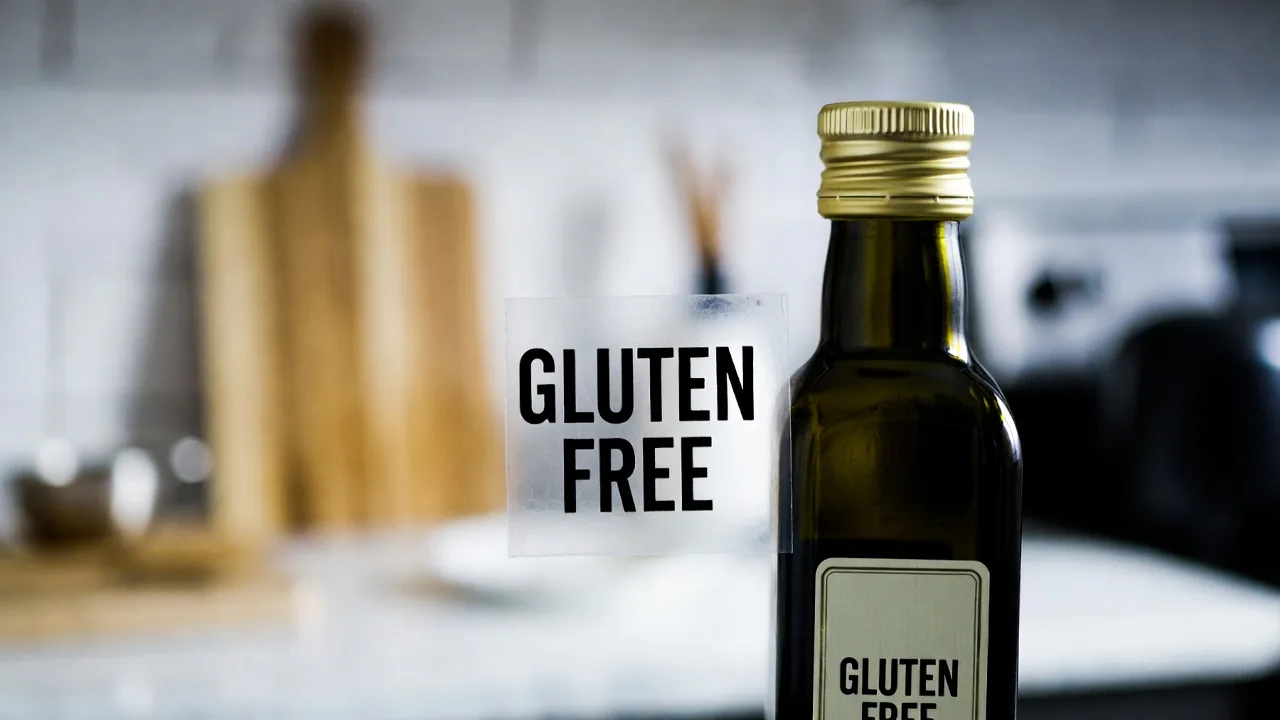
Yes — olive oil is naturally 100% gluten-free. Pure olive oil contains only the pressed juice of olives, with no grains, wheat, barley, rye, or gluten-containing ingredients. The FDA gluten-free labeling regulations classify pure oils as inherently gluten-free. People with celiac disease or gluten sensitivity can safely consume any grade of olive oil. The only concern would be flavored olive oils that contain added ingredients — always check labels for cross-contamination warnings.
Is Olive Oil Vegan?
Olive oil is 100% vegan — it's a plant product made exclusively from the fruit of the olive tree (Olea europaea). No animal products, animal-derived processing aids, or animal testing are involved in standard olive oil production. Olive oil is actually one of the most important fat sources in vegan and plant-based diets, providing the monounsaturated fats, vitamin E, and polyphenols that are sometimes lacking in vegan nutrition. Use it generously in cooking and as a finishing oil to boost both flavor and nutritional value in plant-based meals.
Does Olive Oil Break a Fast?
Technically, yes — olive oil contains calories (120 per tablespoon) and will break a strict water-only fast. However, in the context of popular intermittent fasting protocols, some practitioners argue that pure fat (like olive oil) minimally impacts insulin levels and may be acceptable during a "dirty fast" or "fat fast." The key consideration is your fasting goal — if you're fasting for autophagy (cellular cleanup), any caloric intake interrupts the process. If you're fasting for insulin management or weight loss, a small amount of olive oil may be tolerable. Consult your healthcare provider for personalized guidance.
Is Olive Oil Low FODMAP?
Yes — olive oil is classified as low FODMAP and is safe for people following the FODMAP elimination diet for irritable bowel syndrome (IBS). According to Monash University's FODMAP database (the gold standard for FODMAP research), fats and oils contain no fermentable carbohydrates and therefore cannot trigger FODMAP-related symptoms. Olive oil is actually recommended as the primary cooking fat on a low FODMAP diet because of its excellent digestibility and anti-inflammatory properties.
Choosing the Best Oil for Daily Consumption
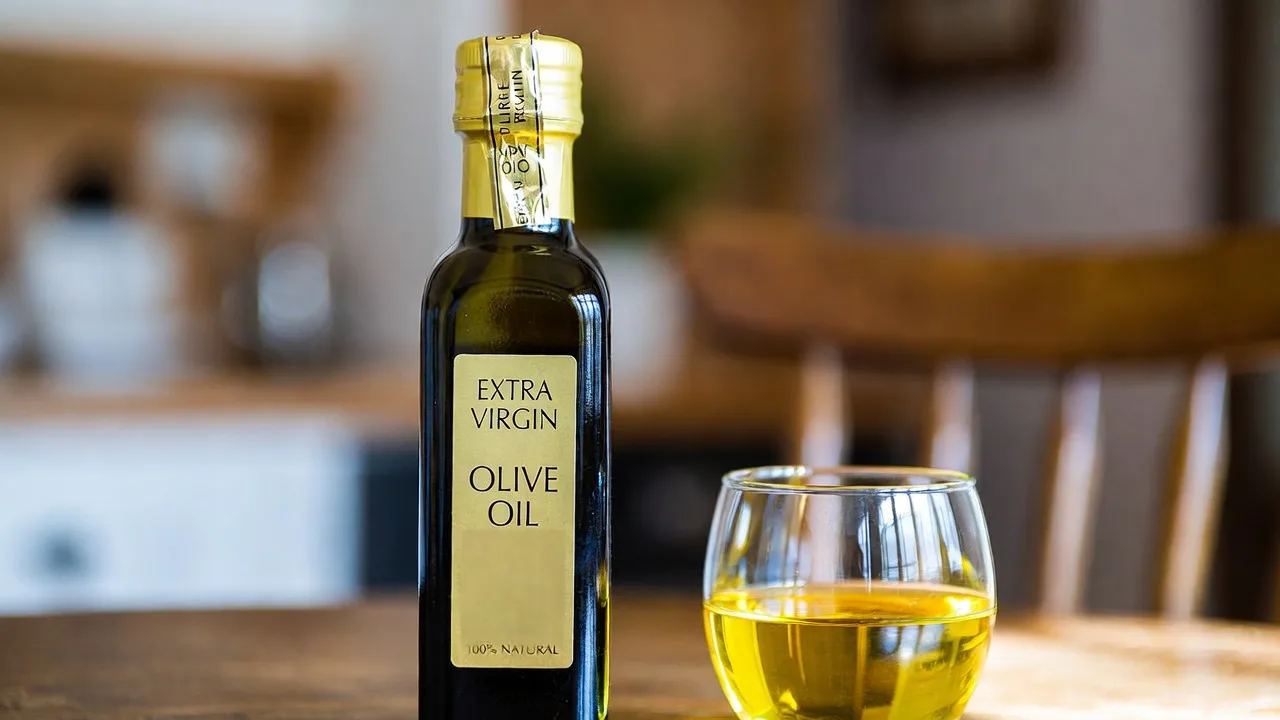
For daily drinking, you want the highest quality EVOO possible — this is where production method matters most. Look for these characteristics:
- Production: Cold pressed / cold extracted with a harvest date within the past 12 months
- Polyphenols: 250mg/kg minimum; 500mg/kg+ for maximum health benefits — see our high-polyphenol brand guide
- Taste: Should be fruity, bitter, and peppery — these flavors indicate healthy polyphenols
- Packaging: Dark glass, ceramic, or tin containers to protect from light degradation
- Origin: Single-source from established olive oil regions — Greece, Italy, Spain, Tunisia, or California
- Certifications: DOP/PDO, organic, or third-party tested for polyphenol content
Olive Oil and Cardiovascular Health
The cardiovascular benefits of olive oil are the most robust finding in the entire nutrition science literature. Beyond the PREDIMED trial, meta-analyses published in the British Medical Journal and The Lancet consistently show that higher olive oil consumption is associated with 15-30% lower risk of cardiovascular disease, 20-25% lower risk of stroke, and improved cholesterol profiles (higher HDL, lower oxidized LDL).
The mechanism involves multiple pathways: oleic acid improves cell membrane fluidity and reduces inflammation. Polyphenols like oleocanthal inhibit COX-1 and COX-2 enzymes (the same pathway as aspirin). Hydroxytyrosol prevents LDL cholesterol oxidation — the process that initiates arterial plaque formation. Together, these compounds create a synergistic cardiovascular protective effect that no pharmaceutical has replicated.
Potential Side Effects & Precautions
While olive oil is generally safe for most people, some considerations include caloric density (120 kcal per tablespoon can add up — 4 tablespoons equals 480 calories), digestive sensitivity in some individuals when consumed in large amounts on an empty stomach, potential interaction with blood-thinning medications (due to vitamin K content — consult your doctor), and allergies to olive pollen or olive fruit (rare but documented). If you're using olive oil topically alongside dietary consumption, be aware of comedogenic concerns for certain skin types.
Start Today
One tablespoon of high-polyphenol EVOO in the morning. More in your cooking throughout the day. That's the entire protocol. Your heart, gut, skin, and brain all benefit. Invest in quality oil, and the returns compound for decades.