Olive oil soap has been the skincare gold standard for 3,000+ years. Oleic acid, squalene, polyphenol antioxidants — olive oil delivers deep moisture, gentle cleansing, and skin protection in one ingredient. This guide covers soap making, haircare, sunblock, comedogenic ratings, and DIY beauty recipes, all backed by dermatological research.
The Science Behind Olive Oil in Skincare
Olive oil's effectiveness in skincare comes from its unique biochemical composition. According to the National Institutes of Health (NIH), extra virgin olive oil contains several skin-active compounds. Oleic acid (73% of total fatty acids) penetrates the skin barrier, delivering deep hydration to the dermis layer. Squalene (200-500mg/kg in EVOO) mirrors the skin's natural sebum — it's the same compound your own skin produces for protection. Vitamin E (alpha-tocopherol) provides antioxidant protection against UV damage and premature aging. Polyphenols like hydroxytyrosol and oleuropein neutralize free radicals that cause wrinkles, hyperpigmentation, and skin cell damage.
A landmark study published in Journal of Dermatological Science found that topical olive oil application increased skin hydration by 35% and improved elasticity by 20% after 4 weeks of regular use. The polyphenols in high-quality EVOO provide anti-inflammatory benefits that help with conditions including eczema, psoriasis, and rosacea. For maximum skincare benefits, choose cold-pressed extra virgin olive oil — the refining process strips away the beneficial phenolic compounds.
Traditional Olive Oil Soap: History & Making
Castile Soap — The Spanish Legacy
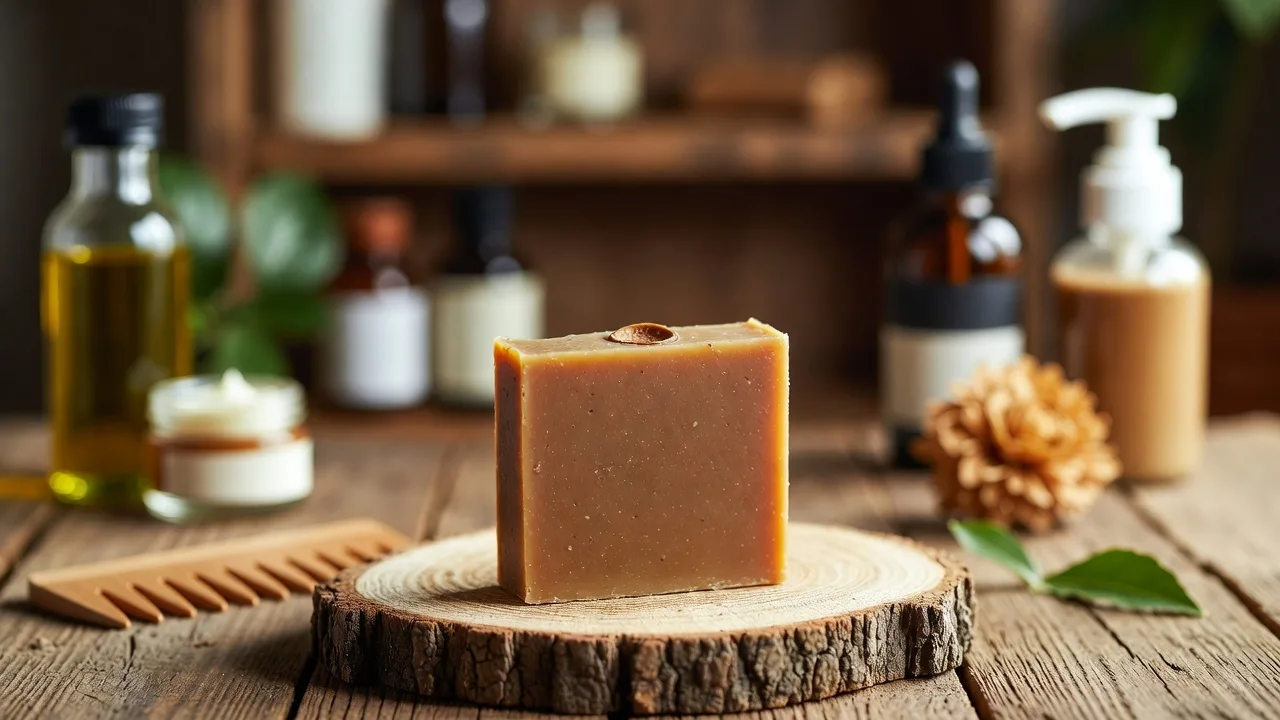
Castile soap originated in the Castile region of Spain during the Middle Ages, when soap makers replaced animal fats with locally abundant olive oil. True Castile soap contains 100% olive oil — no other fats or oils. The saponification process combines olive oil with sodium hydroxide (lye) to create a hard, long-lasting bar that produces a creamy, gentle lather. Unlike commercial soaps made with palm oil and synthetic detergents, Castile soap maintains the glycerin naturally produced during saponification — this glycerin is a humectant that draws moisture into the skin.
Nablus Soap — The Palestinian Tradition
Nablus soap, produced in the Palestinian city of Nablus for over 1,000 years, is made exclusively from virgin olive oil, water, and lye. The traditional process takes 2 weeks: cooking, pouring into molds, hand-cutting, stamping, and air-curing for 3-6 months. The resulting bars are ivory-white, extremely mild, and suitable for the most sensitive skin types. UNESCO has recognized the Nablus soap-making tradition as intangible cultural heritage — a direct descendant of the ancient Mediterranean soap-making arts.
Aleppo Soap — The Syrian Heritage
Aleppo soap combines olive oil with laurel berry oil (5-40%) for additional antibacterial properties. The higher the laurel content, the more therapeutic the soap — 20%+ laurel is recommended for acne-prone or problematic skin. This centuries-old recipe from the eastern Mediterranean inspired the Castile soap tradition when it reached Spain during the Crusades.
Does Olive Oil Clog Pores? The Comedogenic Truth
This is the most common concern about olive oil in skincare. Olive oil has a comedogenic rating of 2 on the 0-5 scale (0 = won't clog pores, 5 = highly comedogenic). This means it has a moderately low likelihood of clogging pores — significantly better than coconut oil (4), cocoa butter (4), or wheat germ oil (5).
Research published in the Journal of the American Academy of Dermatology indicates that comedogenic ratings are determined through rabbit ear assays, which may not accurately predict human skin responses. In practice, whether olive oil clogs your pores depends on your individual skin type, the quality of the oil, and how you use it. For oily, acne-prone skin, use olive oil as a cleanser (oil cleansing method) rather than a leave-on moisturizer. For dry, mature, or normal skin types, olive oil is generally well-tolerated and deeply nourishing.
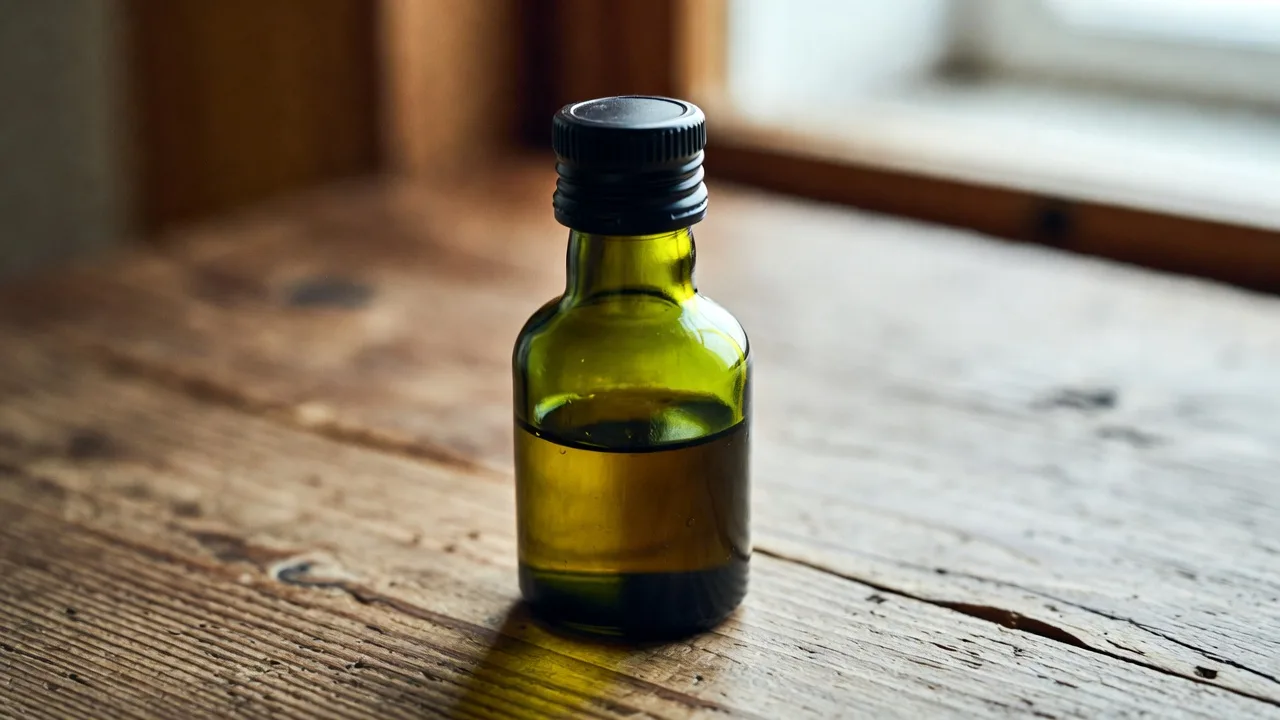
The key is using high-quality, fresh EVOO — oxidized or old olive oil is more likely to cause breakouts. Keep your skincare olive oil in dark bottles away from light and heat, and use it within 6 months of opening.
Olive Oil for Hair: Shampoo, Conditioning & Treatments
Olive Oil as a Deep Conditioner
Olive oil is one of the few oils that can actually penetrate the hair shaft rather than just coating the surface. A study in the Journal of Cosmetic Science found that monounsaturated oils like olive oil reduce protein loss from hair by up to 50% when applied as a pre-wash treatment. Warm ¼ cup of EVOO, massage into hair from roots to ends, wrap in a warm towel, and leave for 30-60 minutes before shampooing. This treatment restores moisture, reduces frizz, and adds shine to all hair types.
Olive Oil Shampoo & Conditioner
Commercial olive oil shampoos incorporate saponified olive oil as the cleansing base, creating a gentle, sulfate-free wash that doesn't strip natural oils. Look for shampoos listing olive oil (or sodium olivate) in the first 5 ingredients — anything lower on the list is primarily marketing. For conditioners, olive oil-enriched formulas provide excellent slip for detangling, particularly beneficial for curly, coily, and textured hair types.
Olive Oil Hair Mask Recipe
Blend 2 tablespoons of EVOO with 1 ripe avocado and 1 tablespoon of honey. Apply to damp hair, cover with a shower cap, and leave for 30 minutes. The avocado provides vitamins B and E, honey adds humectant properties, and the olive oil delivers deep penetrating moisture. Rinse with lukewarm water and follow with a gentle shampoo. This mask is especially restorative for heat-damaged, color-treated, or chemically processed hair.
Olive Oil as Sunblock: Science & Safety
Olive oil provides natural sun protection with an estimated SPF of 2-8, depending on the specific polyphenol content. Research from the National Library of Medicine shows that olive oil's squalene and vitamin E absorb some UV-B radiation, while polyphenols provide antioxidant protection against UV-induced free radical damage.
Important caveat: olive oil alone is NOT adequate sun protection. The American Academy of Dermatology recommends SPF 30+ broad-spectrum sunscreen for proper UV protection. However, olive oil can be an excellent complement — apply EVOO after sun exposure to soothe inflammation, reduce redness, and support skin repair. In Mediterranean cultures, sunbathing with olive oil has been practiced for centuries, but modern dermatology recommends using it as a post-sun moisturizer rather than a primary sunblock.
Olive Oil Lotion, Body Wash & Soap Making
DIY Olive Oil Body Lotion
Melt ½ cup of beeswax pellets in a double boiler. Remove from heat, slowly whisk in 1 cup of EVOO and ¼ cup of coconut oil until emulsified. Add 10 drops of lavender essential oil and pour into sterilized jars. This all-natural lotion provides 24-hour hydration without synthetic preservatives — the vitamin E in olive oil acts as a natural preservative, extending shelf life to 3-6 months when stored properly.
DIY Olive Oil Soap (Cold Process)
For beginner soap makers, 100% olive oil Castile soap is the simplest recipe. Carefully dissolve 114g of sodium hydroxide (lye) in 250ml of distilled water (always add lye to water, never the reverse). In a separate pot, heat 750g of olive oil to 38°C. When both liquids reach the same temperature, slowly pour the lye solution into the oil while blending with a stick blender until "trace" is reached (the consistency of thin pudding). Pour into silicone molds and cure for 4-6 weeks. The result is a supremely gentle, luxuriously creamy soap bar. Use pomace olive oil for soap making — it's more cost-effective and produces harder bars than EVOO.
Olive Oil Hand Soap
Liquid olive oil hand soap can be made by dissolving 100% olive oil soap shavings in warm water with a tablespoon of honey (for extra moisture) and a few drops of essential oil. This creates a gentle, moisturizing hand wash that's especially beneficial during winter months when commercial hand soaps cause dryness and cracking. The FDA confirms that soap (as opposed to synthetic detergents called "syndet bars") is one of the safest and most effective cleansing products available.
Oil Pulling with Olive Oil
Oil pulling — swishing oil in the mouth for 15-20 minutes — is an ancient Ayurvedic practice that has gained popularity in natural wellness circles. While coconut oil is most commonly used, olive oil is equally effective and arguably superior due to its anti-inflammatory polyphenols. Research in the Journal of Traditional and Complementary Medicine suggests that oil pulling may reduce harmful oral bacteria, improve gum health, and freshen breath. Use a tablespoon of high-quality EVOO — the polyphenols provide additional antimicrobial action.
Olive Oil for Nails, Cuticles & Hands
Olive oil is one of the best natural treatments for brittle nails and dry cuticles. The oleic acid softens cuticles while squalene strengthens the nail plate. Soak fingertips in warm EVOO for 10 minutes twice weekly, or massage a drop into each nail bed before bedtime. Within 2-3 weeks, you'll notice stronger, less brittle nails with healthier cuticle tissue. Professional manicurists in Mediterranean spas have used olive oil for nail care for generations — it's a simple, affordable alternative to commercial cuticle oils.
Olive Oil Makeup Remover & Facial Cleansing
The oil cleansing method uses olive oil to dissolve makeup, sunscreen, and excess sebum without stripping the skin's moisture barrier. Massage a tablespoon of EVOO onto dry skin in circular motions for 60 seconds, then remove with a warm, damp washcloth. This technique effectively removes even waterproof mascara and long-wear foundation. Double-cleanse by following with a gentle water-based cleanser for thoroughly clean, balanced skin.
The chemistry is simple: "like dissolves like." Oil-based impurities (sebum, makeup, sunscreen) dissolve readily in olive oil, which is then lifted away with the washcloth. This method is particularly beneficial for dry, sensitive, and mature skin types that react poorly to foaming cleansers and micellar waters. For the overall health of your skin, both dietary and topical olive oil contribute to a glowing complexion.
One Ingredient, Unlimited Uses
Soap, shampoo, lotion, cleanser, nail treatment, hair mask. Cold-pressed EVOO with high polyphenol content handles all of them. Store it in dark containers, keep it fresh, and you've got a multi-purpose beauty powerhouse that Mediterranean cultures have trusted for millennia.