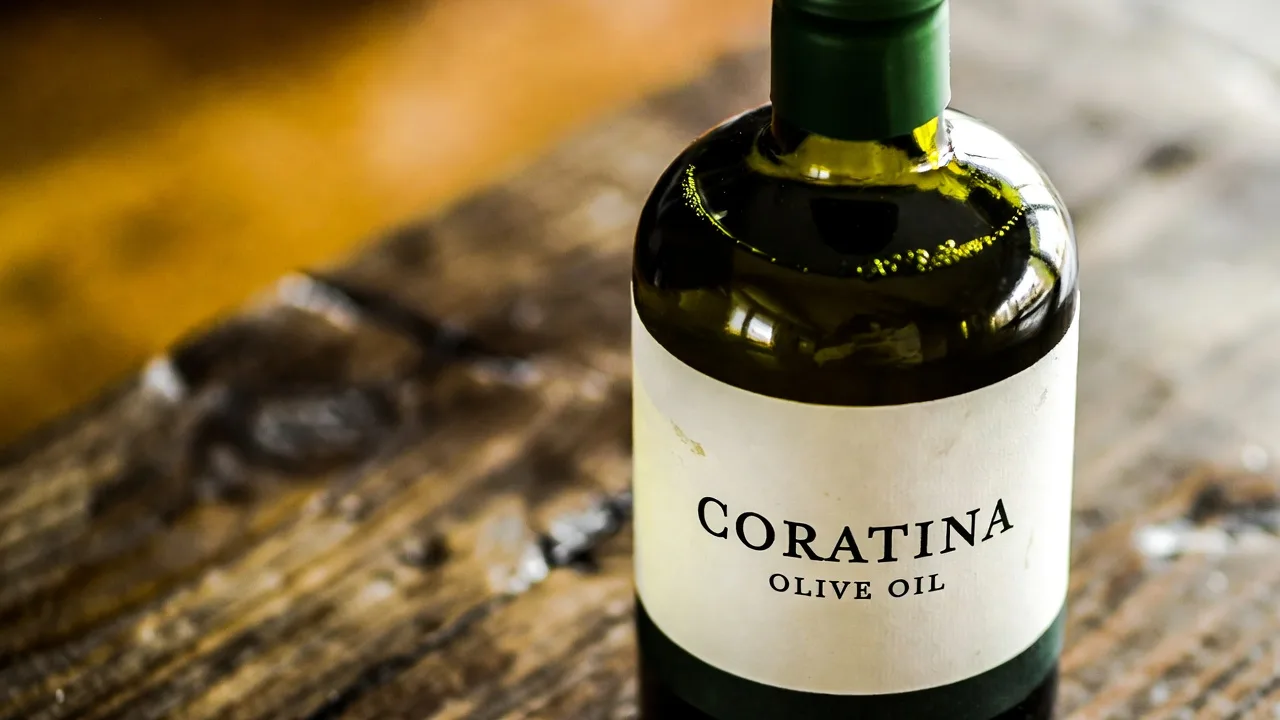
Coratina olive oil sits at the absolute top of the polyphenol hierarchy. No widely cultivated olive variety on earth produces oil with consistently higher polyphenol concentrations than Coratina. Early-harvest Coratina olive oil regularly delivers 500-800mg/kg of total phenolic compounds, with elite producers exceeding 1,000mg/kg — four times the EFSA threshold for a certified health claim. If you're serious about drinking olive oil daily for maximum health impact, Coratina olive oil is the variety to target.
What Is Coratina Olive Oil?
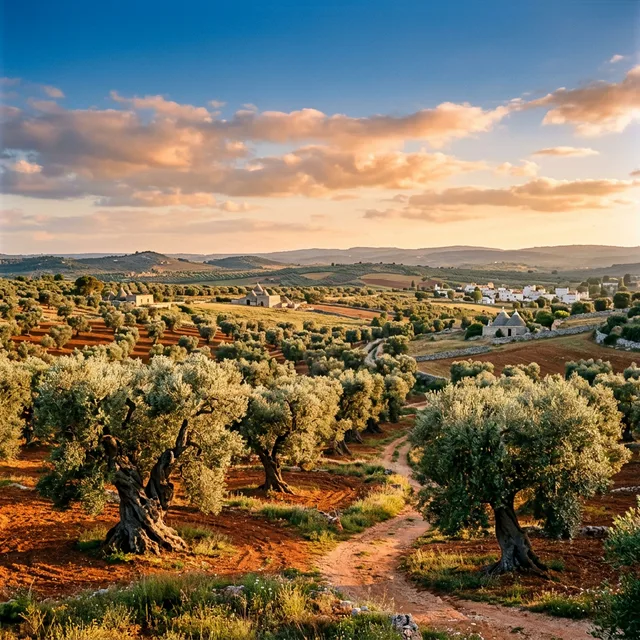
Coratina is an olive cultivar native to Puglia, southern Italy — specifically the town of Corato in the province of Bari. The variety has been cultivated in this region for centuries, thriving in Puglia's semi-arid climate, rocky limestone soils, and intense Adriatic sun. Coratina trees are vigorous, productive, and disease-resistant — which is why they dominate the northern Puglia landscape.
What makes Coratina olive oil extraordinary is the variety's genetic predisposition to produce massive quantities of phenolic compounds. The olives are naturally high in oleuropein, hydroxytyrosol, oleocanthal, and oleacein — the four key bioactive polyphenols responsible for EVOO's health benefits. This isn't a byproduct of terroir or production method — it's built into Coratina's DNA.
Coratina olive oil has spread beyond Puglia. The variety is now planted in Australia, South America, California, and other Mediterranean regions seeking high-polyphenol production. But Puglia remains the heartland — and the best Coratina olive oil still comes from the groves around Corato, Andria, and Bisceglie.
Coratina Olive Oil Polyphenol Science
The numbers tell the story. Here's how Coratina olive oil compares to other major varieties in typical polyphenol content:
- Coratina (Puglia): 500-1,000+ mg/kg — the benchmark
- Koroneiki (Greece): 400-800 mg/kg — the closest competitor
- Picual (Spain): 300-600 mg/kg — high but variable
- Nocellara (Sicily): 250-450 mg/kg — moderate-high
- Arbequina (Spain): 100-250 mg/kg — low
- Taggiasca (Liguria): 80-200 mg/kg — lowest among premium varieties
These numbers reflect early-harvest oil processed within hours. Late-harvest Coratina olive oil drops to 200-400mg/kg — still respectable, but you lose the variety's signature advantage. Harvest timing is everything.
Key Polyphenols in Coratina Olive Oil
Oleocanthal: The anti-inflammatory compound that gives Coratina olive oil its intense throat burn. Research published in Nature identified oleocanthal as a natural COX-2 inhibitor — the same mechanism targeted by ibuprofen. Coratina olive oil delivers more oleocanthal per tablespoon than virtually any other variety.
Oleacein: A powerful antioxidant that works synergistically with oleocanthal. Coratina olive oil is exceptionally rich in oleacein, which contributes to the oil's pronounced bitterness and has demonstrated cardioprotective effects in clinical research published in the National Library of Medicine.
Hydroxytyrosol: The polyphenol at the center of the EFSA health claim. Coratina olive oil typically delivers 10-25mg of hydroxytyrosol per 20g of oil — two to five times the 5mg threshold required for the authorized EU claim that olive oil polyphenols "contribute to the protection of blood lipids from oxidative stress."
Oleuropein: The parent compound from which many other polyphenols derive during oil extraction. Raw Coratina olives contain extraordinarily high oleuropein — which is why they're among the bitterest olives to eat raw. That bitterness transfers directly to the oil.
Coratina Olive Oil Tasting Profile
Coratina olive oil is not for timid palates. It's the most intense, aggressive EVOO you can buy from a major cultivar.
- Aroma: Intensely green — fresh artichoke, green tomato, raw almond, fresh-cut grass, and wild herb (rosemary, thyme). The aroma hits immediately when you uncap the bottle.
- Taste: Powerful bitterness dominates the mid-palate — artichoke heart, chicory, green walnut shell. This is the oleacein and oleuropein at work. Fruitiness is present but secondary to the bitter-pungent character.
- Finish: Extremely peppery. The oleocanthal burn hits the back of the throat and can trigger a genuine cough response in high-quality early-harvest Coratina olive oil. This burn lasts 30-60 seconds and is the single strongest indicator of oleocanthal concentration.
- Mouthfeel: Clean, medium-bodied, slightly astringent. No greasiness — a sign of proper cold extraction.
If you're new to Coratina olive oil, start by blending it 50/50 with a milder EVOO (Arbequina or Leccino) for cooking. Use it raw at full strength only when you've developed a palate for intense oil. The bitterness and burn are acquired tastes — but once acquired, milder oils taste flat and uninteresting.
Coratina Olive Oil Health Benefits
Every health benefit attributed to high-polyphenol EVOO is amplified in Coratina olive oil because the polyphenol concentrations are higher.
Cardiovascular protection: The PREDIMED trial demonstrated a 30% reduction in major cardiovascular events with high-polyphenol EVOO supplementation. The study used Spanish oils — Coratina olive oil delivers equal or greater polyphenol levels, suggesting equivalent or superior cardiovascular benefit.
Anti-inflammatory potency: Oleocanthal in Coratina olive oil acts as a natural anti-inflammatory at a dose equivalent to approximately 10% of the ibuprofen dose for the same COX-2 inhibition. Two tablespoons of high-quality Coratina olive oil daily provides a meaningful anti-inflammatory effect without pharmaceutical side effects.
Neuroprotection: Oleocanthal's ability to enhance clearance of amyloid-beta plaques makes Coratina olive oil particularly interesting for Alzheimer's disease prevention research. Long-term daily consumption of high-polyphenol olive oil is being studied as a dietary neuroprotective strategy.
Antioxidant defense: The combination of hydroxytyrosol, oleacein, and vitamin E in Coratina olive oil provides one of the most potent natural antioxidant packages available in any food. These compounds protect blood lipids from oxidation — the mechanism behind the EFSA health claim — and may contribute to reduced cancer risk, though human evidence is still developing.
Fatty acid profile: Coratina olive oil contains 75-80% oleic acid — at the higher end of the olive oil spectrum. This high monounsaturated fat content provides inherent cardiovascular benefits independent of the polyphenols, and gives the oil excellent heat stability for cooking.
Top Coratina Olive Oil Producers
The best Coratina olive oil comes from producers who prioritize early harvest, rapid extraction, and polyphenol documentation.
- Galantino (Bisceglie, Puglia): Their "Monet" and "Affiorato" lines feature single-variety Coratina with published polyphenol data. Multiple NYIOOC gold medals. $22-35 per 500ml.
- Ferrara Guiliano (Murge hills): Artisanal micro-producer. Early-harvest Coratina olive oil with polyphenol levels consistently above 700mg/kg. Limited production — order directly or through Italian specialty importers. $30-45 per 500ml.
- Intini (Alberobello): Organic Coratina olive oil from the trulli region. DOP Terra di Bari certified. Clean, well-documented production. $20-30 per 500ml.
- Mimì (Modugno): Modern Puglia producer with lab-tested polyphenol certification on every batch. Their single-variety Coratina olive oil regularly exceeds 800mg/kg. $25-40 per 500ml.
- Cobram Estate (Australia): Australian-grown Coratina olive oil using trees imported from Puglia. Proves that Coratina's polyphenol genetics travel — their Australian Coratina delivers 400-600mg/kg. $18-28 per 500ml.
Coratina Olive Oil vs. Koroneiki
The two highest-polyphenol olive varieties face off frequently in health-focused discussions. How does Coratina olive oil compare to Greek Koroneiki?
Polyphenol ceiling: Coratina edges ahead. The highest documented Coratina olive oil polyphenol readings exceed 1,200mg/kg. Record Koroneiki readings reach similar heights, but less consistently. Coratina olive oil is the more reliable choice for maximum polyphenol intake.
Flavor profile: Coratina olive oil is broader and more complex — artichoke, green tomato, herbs, with rounder bitterness. Koroneiki is sharper and more focused — intense pepperiness, green banana, and a more one-dimensional bitter punch. Different oils for different tastes.
Heat stability: Both have high oleic acid content (75-80%). Both are excellent cooking oils. Minimal practical difference.
Availability: Koroneiki is easier to find globally — Greek olive oil exports are massive and well-distributed. Coratina olive oil requires more effort to source outside Italy. This is changing as Australian and Californian producers adopt the variety.
How to Use Coratina Olive Oil
- Raw finishing: Drizzle over bruschetta, grilled vegetables, white bean soup, steak, or fresh burrata. The intense flavor demands simple food that lets the oil shine.
- Daily tablespoon: Take 1-2 tablespoons raw on an empty stomach for maximum polyphenol absorption. Chase with lemon juice if the bitterness is too intense.
- Blending: Mix 1 part Coratina olive oil with 2 parts mild EVOO (Arbequina, Leccino) for a balanced everyday oil with elevated polyphenols and approachable flavor.
- Cooking: Despite its intensity, Coratina olive oil is excellent for cooking. The high oleic acid content provides heat stability, and the polyphenols survive moderate cooking temperatures. Use for sautéing, roasting, and braising.
How to Buy and Store Coratina Olive Oil
Always check for: single-variety labeling (100% Coratina), harvest date (not just best-by), origin (preferably Puglia, Italy), and ideally published polyphenol lab results. Expect to pay $20-45 per 500ml for quality Coratina olive oil — cheaper than many health supplements that deliver far less bioactive benefit.
Store in dark glass or tin, away from heat and light. Use within 12 months of harvest for peak polyphenol potency. If temperatures drop and the oil solidifies in cold weather, let it thaw at room temperature — freezing doesn't damage polyphenols.