Extra virgin olive oil does everything. Frying, baking, dressing, finishing — no other cooking fat matches its range. This guide breaks down every technique, recipe, and creative hack for EVOO in the kitchen, backed by culinary science and 5,000 years of Mediterranean tradition.
Quick Reference: EVOO by Cooking Method
| Cooking Method | Temperature Range | EVOO Grade | Best Variety | Notes |
|---|---|---|---|---|
| Raw / finishing | No heat | Premium EVOO | Koroneiki, Coratina, Frantoio | Use your best bottle here — flavor is front and center |
| Dressings & sauces | No heat | Good EVOO | Any quality EVOO | 3:1 oil-to-acid ratio with Dijon as emulsifier |
| Sautéing | 120–165°C (248–330°F) | Standard EVOO | Arbequina, Picual | Well within EVOO smoke point — no issue |
| Pan-frying | 150–180°C (302–356°F) | Standard EVOO | Picual (most heat-stable) | EVOO handles this comfortably |
| Deep-frying | 160–185°C (320–365°F) | Standard EVOO | Picual or refined olive oil | Reuse up to 3–4 times; strain after each use |
| Baking | 160–220°C (320–428°F) | Mild EVOO | Arbequina (neutral, buttery) | Substitute ¾ cup EVOO for every 1 cup butter |
| Roasting | 180–220°C (356–428°F) | Standard EVOO | Any quality EVOO | Toss vegetables generously before roasting |
Why Extra Virgin Olive Oil Is the Ultimate Cooking Fat
Extra virgin olive oil is produced through cold pressing olives without chemicals or excessive heat, preserving its rich polyphenols, antioxidants, and complex flavor compounds. It contains over 30 phenolic compounds, including oleocanthal (which gives EVOO its peppery kick) and hydroxytyrosol (one of nature's most powerful antioxidants). The Olive Oil Times describes it as the gold standard of cooking fats.
Unlike refined seed oils, EVOO maintains its beneficial properties even at cooking temperatures. A groundbreaking 2018 study in Acta Scientific Nutritional Health found that extra virgin olive oil was the most stable cooking oil, producing the lowest levels of harmful compounds when heated — outperforming coconut oil, avocado oil, and canola oil. This finding overturns the common myth that EVOO shouldn't be used for cooking. For maximum health benefits, choose high-quality EVOO with a harvest date on the label.
Understanding Smoke Points: The Science of Frying with Olive Oil
The smoke point of extra virgin olive oil ranges from 190°C to 215°C (375°F to 420°F), depending on quality and freshness. This is well above the temperatures needed for most cooking techniques, according to the American Heart Association. Pan-frying typically reaches 120-180°C, deep-frying 160-190°C, and sautéing 120-165°C. EVOO handles all of these with ease — particularly oils with high polyphenol content, which resist oxidation better.
The key factors that determine smoke point stability include free fatty acid content (lower is better — EVOO must be below 0.8%), polyphenol concentration, and proper bottle storage away from light and heat. To maintain the highest smoke point, keep your EVOO in a dark glass or ceramic bottle, tightly sealed, and away from the stove.
Classic Mediterranean Recipes with Extra Virgin Olive Oil
1. Pasta Aglio e Olio — The 5-Ingredient Masterpiece
This Roman classic proves that simplicity wins. Heat ¼ cup of extra virgin olive oil gently with 6 thinly sliced garlic cloves and a pinch of red pepper flakes until fragrant (never let the garlic brown). Toss with 400g of al dente spaghetti, a splash of pasta water, fresh parsley, and Parmigiano-Reggiano. The olive oil IS the sauce — so quality matters enormously here. Bon Appétit calls it one of the most important pasta dishes to master. Use a fruity, mild EVOO from Liguria or Puglia for the best results.
2. Greek Salad with EVOO Dressing
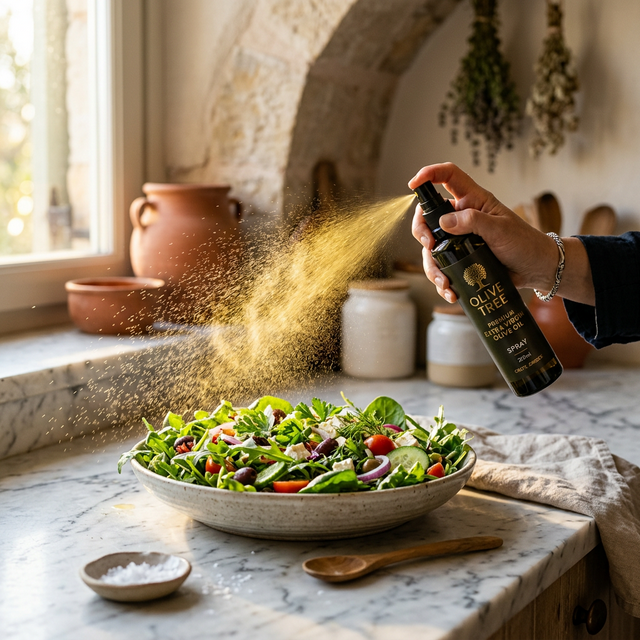
A proper Greek salad demands excellent olive oil — preferably from Greece itself. Combine chunked tomatoes, cucumber, red onion, Kalamata olives, and feta cheese. Dress generously with 3 tablespoons of Greek extra virgin olive oil, 1 tablespoon of red wine vinegar, dried oregano, salt, and pepper. The Serious Eats test kitchen emphasizes that the olive oil should be the star — a robust, peppery Greek EVOO with high polyphenol levels gives the salad its signature intensity.
3. Olive Oil Focaccia
Focaccia uses olive oil both in the dough and as a finishing element. Mix 500g bread flour, 10g salt, 7g instant yeast, 350ml warm water, and 60ml EVOO. Knead until smooth, then let rise for 2 hours. Press into an oiled pan, dimple with your fingers, drizzle with another 3 tablespoons of EVOO, sprinkle with flaky sea salt and rosemary. Bake at 220°C for 20-25 minutes until golden. The oil creates the crispy exterior and tender crumb that make focaccia irresistible. Tuscan or Ligurian oils from Italy's finest olive regions are traditional choices.
Frying with Extra Virgin Olive Oil: Techniques & Tips
Can You Fry Chicken in Olive Oil?
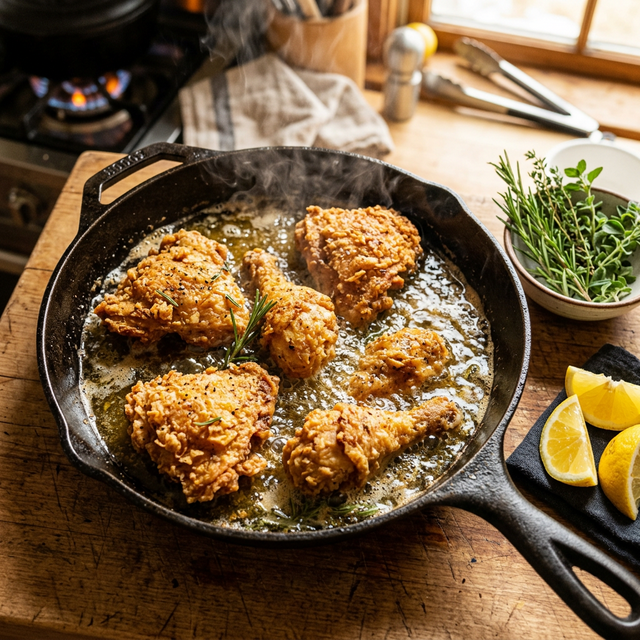
Absolutely — and it produces superior results. Season chicken pieces with salt, pepper, garlic powder, and paprika. Heat ½ inch of EVOO in a heavy skillet to 175°C (350°F). Fry the chicken for 6-8 minutes per side until golden and the internal temperature reaches 74°C (165°F). The olive oil creates a crispier coating than vegetable oil while adding a subtle herbaceous flavor that complements the chicken beautifully.
Research from the Journal of Food Chemistry confirms that foods fried in olive oil absorb less fat than those fried in other oils, and the fried food retains more nutrients. In Mediterranean countries like Spain and Italy, frying with olive oil has been standard practice for thousands of generations — the tradition stretching back to the ancient civilizations that first cultivated olives.
Deep-Frying Best Practices
For deep-frying, maintain oil temperature between 160-185°C (320-365°F). Don't overcrowd the pan — this drops the temperature and makes food soggy instead of crispy. You can reuse EVOO for frying 3-4 times before it degrades, as confirmed by research from the International Olive Council. Strain through a fine mesh sieve after each use and store in a dark container. EVOO actually performs better with repeated frying than most seed oils because its monounsaturated fat structure is more heat-stable.
Baking with Olive Oil: Substitutions & Recipes
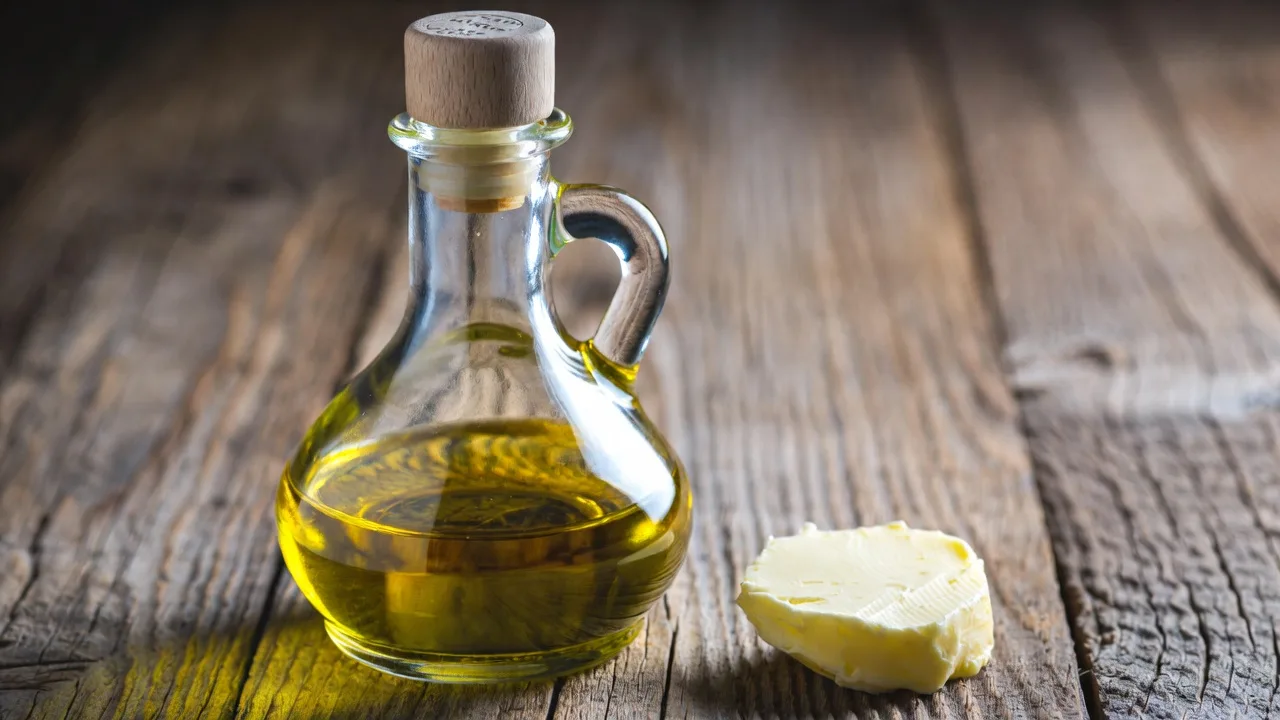
Olive oil creates incredibly moist baked goods with a tender crumb and subtle fruity complexity. The general substitution rule: replace butter with ¾ the amount of olive oil (butter is 80% fat, olive oil is 100%). This means 1 cup butter = ¾ cup olive oil.
Italian Olive Oil Cake — The Classic
This celebratory cake from the Italian tradition is supremely moist. Whisk together 3 eggs, 1¼ cups sugar, and the zest of 2 lemons until pale. Stream in 1 cup of mild EVOO while whisking. Fold in 1¾ cups flour, 1½ tsp baking powder, ¼ tsp salt, and ½ cup whole milk. Pour into a greased 9-inch pan and bake at 175°C for 40-45 minutes. The olive oil keeps this cake moist for up to 5 days — far longer than a butter cake. For those with dietary restrictions, this recipe is naturally adaptable with gluten-free flours.
Olive Oil Brownies
Replace butter with ½ cup of EVOO in your brownies for a fudgier, more complex flavor. The monounsaturated fats in olive oil keep the brownies incredibly moist while adding a slight fruity undertone that enhances the chocolate. Use a mild, buttery EVOO rather than a peppery one — Arbequina variety works beautifully for sweets.
Olive Oil Pancakes
Substitute 2 tablespoons of melted butter with 2 tablespoons of EVOO in your pancake batter. The result is lighter, crispier edges with a subtle herbaceous note. These pancakes are also naturally dairy-free when made with plant milk, making them accessible to more diets. Drizzle with honey and fresh berries for a Mediterranean breakfast.
Infused Olive Oils: Creating Flavored Masterpieces
Basil Infused Olive Oil
Blanch 2 cups of fresh basil leaves for 10 seconds, then ice-bath immediately to preserve the vibrant green color. Blend with 1 cup of mild EVOO until smooth, then strain through cheesecloth. The result is an intensely green, aromatic oil perfect for drizzling over caprese salads, pasta, and pizza. Store in the refrigerator for up to 2 weeks in a sealed, dark glass bottle. The FDA recommends refrigerating infused oils to prevent botulism risk — fresh herb infusions should always be kept cold.
Lemon Olive Oil
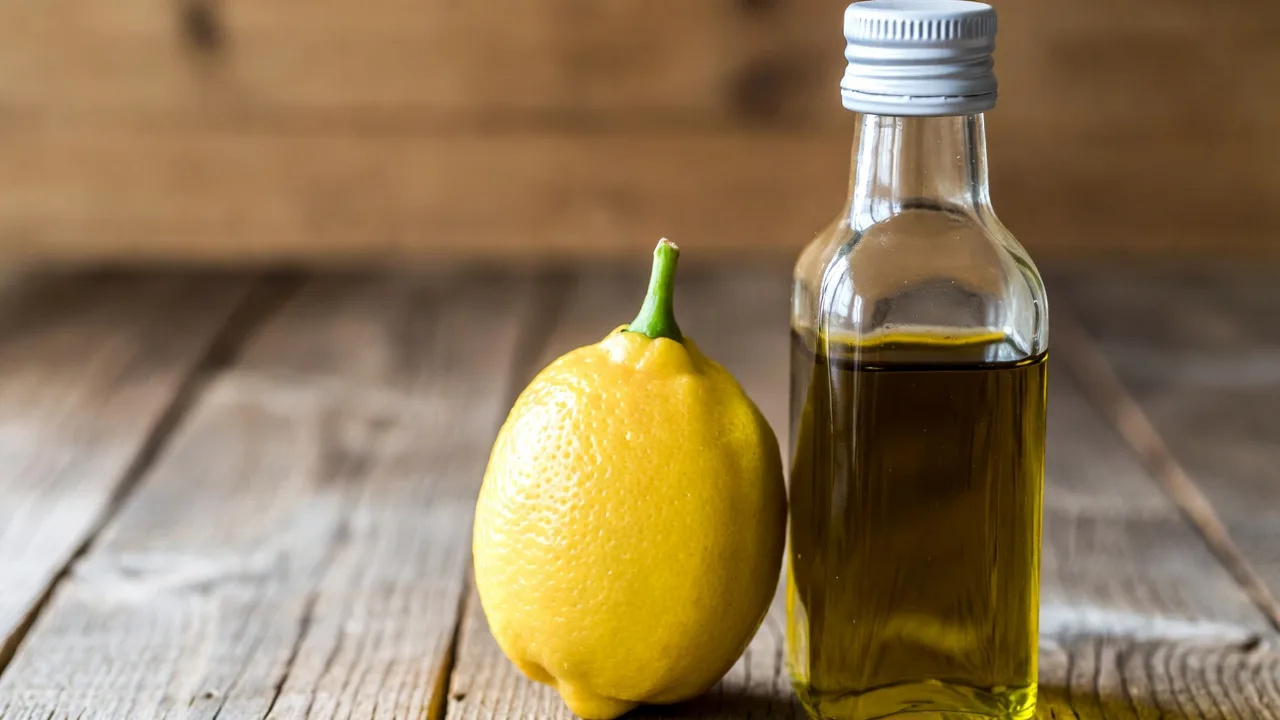
For a bright, citrusy finishing oil, combine the zest of 3 lemons (no pith — it's bitter) with 1 cup of quality EVOO in a glass jar. Let steep for 24-48 hours at room temperature, then strain. Use this sunshine-in-a-bottle on grilled fish, roasted vegetables, or whisked into vinaigrettes. In southern Italy and Greece, lemon-infused oil is a kitchen essential drizzled over everything from grilled octopus to fresh bread.
Rosemary Olive Oil
Gently heat 1 cup of EVOO with 4 sprigs of fresh rosemary over the lowest flame for 30 minutes (never let it bubble — you're infusing, not frying). Cool, strain, and bottle. This is magnificent for roasted potatoes, focaccia, or dipping bread. Some producers in Tuscany and Provence make rosemary-infused oils commercially — look for ones using cold-pressed base oils for the best quality.
Chili Infused Olive Oil
Add 2 tablespoons of dried red pepper flakes to 1 cup of EVOO in a saucepan. Heat gently for 5 minutes until the flakes start to sizzle, then remove from heat and cool completely. Strain or leave the flakes in for a rustic look. This spicy oil transforms pizza, pasta, eggs, and Asian-inspired dishes. Calabrian chili-infused olive oil is a beloved Southern Italian specialty found in trattorias across the region.
Dressings, Sauces & Finishing
Classic Vinaigrette Formula
The universal ratio is 3 parts EVOO to 1 part acid (vinegar or citrus juice). Whisk ¾ cup EVOO with ¼ cup red wine vinegar, 1 tsp Dijon mustard, 1 minced garlic clove, salt, and pepper. The mustard acts as an emulsifier, binding oil and vinegar together. This basic formula adapts endlessly — swap in balsamic vinegar, champagne vinegar, or fresh lemon juice. A robust, peppery EVOO from Greece or Puglia adds incredible character.
Olive Oil Mayonnaise
Making mayo with olive oil produces a richer, more flavorful condiment. Blend 1 egg yolk, 1 tablespoon of lemon juice, and 1 teaspoon of Dijon mustard. Very slowly stream in ¾ cup of mild EVOO while blending continuously until thick and emulsified. Season with salt. For a lighter flavor, use 50% EVOO and 50% refined olive oil. This homemade mayo contains the health-boosting monounsaturated fats that commercial mayonnaise lacks — the Harvard School of Public Health recommends replacing saturated fats with olive oil-based alternatives.
Finishing Techniques
The most important use of premium EVOO is as a finishing oil — drizzled over completed dishes just before serving. This preserves the delicate flavor compounds that cooking would destroy. Finish with a generous drizzle over grilled steak, roasted vegetables, soups, risotto, grilled bread, bruschetta, or even vanilla ice cream (a trendy combination championed by Serious Eats). Always use your best EVOO for finishing — save the everyday bottles for cooking and the premium bottles for raw applications.
Olive Oil vs Other Cooking Fats
How does EVOO compare to other common cooking fats? The USDA FoodData Central database reveals that olive oil has 73% monounsaturated fat (the heart-healthy kind), compared to canola oil's 63%, coconut oil's 6%, and butter's 21%. It also contains zero cholesterol, unlike butter (31mg per tablespoon).
For high-heat cooking like stir-frying or searing, refined olive oil (smoke point 240°C/465°F) is an excellent choice. For medium-heat cooking, sautéing, and baking, EVOO works perfectly. For finishing and raw applications, always choose the highest quality EVOO you can find — preferably high-polyphenol oils from small producers. Beyond the kitchen, olive oil is also prized for its cosmetic and skincare applications.
Popcorn, Sardines & Unconventional Uses
Olive oil popcorn is a game-changer: heat 3 tablespoons of EVOO in a heavy pot, add ⅓ cup of popcorn kernels, cover, and shake until popping stops. The olive oil gives the popcorn a richer, more savory flavor than butter — and it's naturally gluten-free and dairy-free. Top with nutritional yeast, smoked paprika, or truffle salt.
High-quality sardines packed in olive oil are a Mediterranean protein powerhouse — just open the tin and serve on crusty bread with lemon, capers, and a drizzle of your finest EVOO. Smoked olive oil adds complexity to grilled meats, roasted nuts, and even cocktails like the olive oil martini. These creative applications showcase olive oil's incredible versatility across every category of cooking.
Storing Olive Oil for Cooking
Proper storage is critical for maintaining cooking quality. Keep your EVOO in dark glass or stainless steel containers, tightly sealed, away from heat and light. Oil stored in clear bottles near the stove degrades rapidly — polyphenols decrease by up to 40% within 6 months of improper storage, according to research published in the Journal of Food Chemistry. Use opened EVOO within 3-6 months for the best flavor and nutritional profile. Never store olive oil in the freezer for cooking use, although freezing won't damage it — just allow it to return to room temperature before use.
Your Two-Bottle Strategy
Stock two EVOOs: an everyday cold-pressed bottle for cooking, and a premium high-polyphenol EVOO for finishing and raw use. Cook with the first. Drizzle with the second. Your food — and your body — will notice the difference.