The Mediterranean basin produces 95%+ of the world's olive oil. But a Greek Koroneiki tastes nothing like a Spanish Picual, and a Tunisian Chetoui is a different animal entirely. Terroir, climate, variety, and 5,000 years of regional knowledge create oils with wildly different characters. This guide maps every major producing region, their signature varieties, flavor profiles, and the best oils to try from each.
Mediterranean Olive Oil at a Glance: Regional Comparison
| Region | Top Variety | Flavor Profile | Polyphenols | Best For |
|---|---|---|---|---|
| 🇬🇷 Greece (Kalamata) | Koroneiki | Intensely fruity, grassy, peppery, bold bitterness | 400–900 mg/kg | Daily health use, salads, robust dishes |
| 🇮🇹 Italy (Puglia) | Coratina | Powerfully bitter & peppery, green leaf, herbaceous | 500–1,000+ mg/kg | Finishing, health use, hearty Mediterranean dishes |
| 🇮🇹 Italy (Tuscany) | Frantoio / Moraiolo | Balanced, fresh fruit, almond, artichoke, clean pepper | 200–500 mg/kg | Finishing, gifting, pasta & bruschetta |
| 🇮🇹 Italy (Sicily) | Nocellara del Belice | Full-bodied, green tomato, artichoke, fruity | 250–600 mg/kg | Seafood, pasta, raw finishing |
| 🇪🇸 Spain (Andalusia) | Picual | Bold, tomato & fig leaf, woody, heat-stable | 300–600 mg/kg | Frying, cooking, robust cooking applications |
| 🇪🇸 Spain (Catalonia) | Arbequina | Mild, buttery, slightly sweet, low bitterness | 100–300 mg/kg | Baking, delicate dishes, entry-level EVOO |
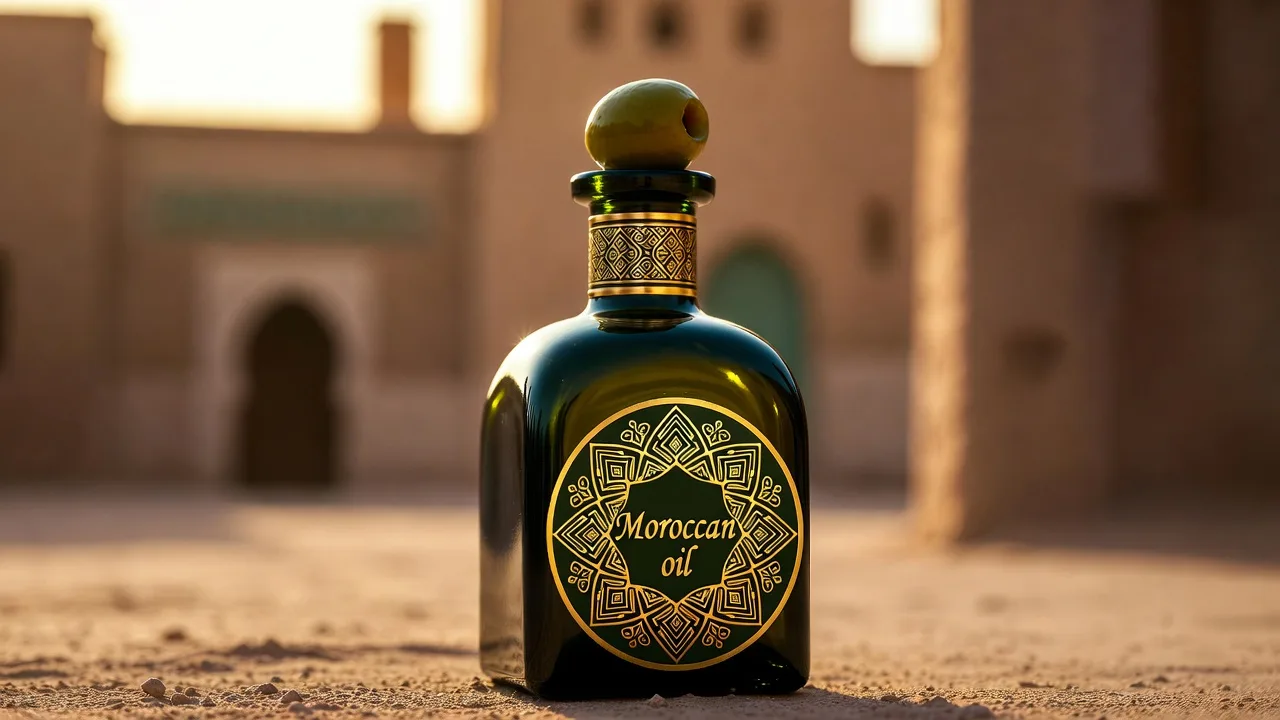
| 🇲🇦 Morocco | Picholine Marocaine | Medium intensity, green apple, fresh almond, herbal | 200–500 mg/kg | Tagines, everyday cooking, excellent value |
| 🇹🇳 Tunisia (North) | Chetoui | Pungent, bitter, high polyphenol, grassy | 400–800 mg/kg | Health use, salads, best value for polyphenols |
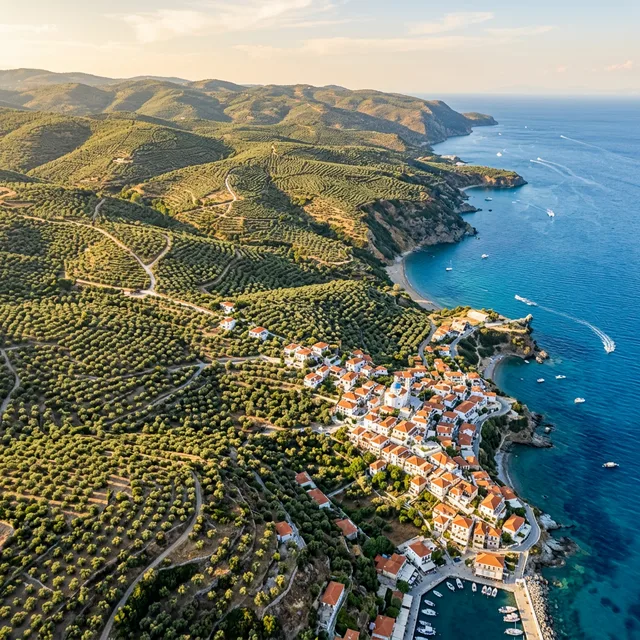
🇬🇷 Greece: The Birthplace of Olive Oil
Kalamata — The Jewel of the Peloponnese
Kalamata olive oil comes from the Messenia region of southern Greece, famous for both its table olives and its exceptional EVOO. The primary variety is Koroneiki — Greece's most important olive cultivar — which produces intensely fruity, aromatic oil with naturally high polyphenol content (400-900mg/kg). Kalamata EVOO is characterized by robust green fruit flavors, fresh-cut grass, artichoke, balanced bitterness, and a distinctive peppery finish. Greek olive farmers traditionally harvest by hand or gentle raking to preserve fruit integrity — a practice stretching back to the era when Athena gifted the olive tree to Athens.
Crete — The Mediterranean's Olive Island
Crete is the most olive-dense island in the world — olive trees outnumber people 40 to 1. The western Kolymvari region (around Chania) produces some of Greece's finest PDO-protected oils. Terra Creta, one of our recommended brands, hails from here. Cretan olive oil is robust and fruity, with notes of green banana, tomato, and herbs. Cretans consume more olive oil per capita than any other population — approximately 25 liters per person per year — and enjoy some of the world's longest life expectancies, as documented by the Blue Zones Project.
Laconia & Lesbos — Hidden Gems
Laconia in the southern Peloponnese produces exceptional Athinolia-variety oils — medium-bodied with floral notes. The island of Lesbos (Mytilene) has over 11 million olive trees and produces PDO "Lesbos" oil with a mild, sweet character suited to delicate culinary applications.
🇮🇹 Italy: Diversity & Excellence
Puglia — Italy's Olive Oil Powerhouse
Puglian olive oil accounts for approximately 40% of Italy's total production. The "heel of the boot" is home to millions of ancient olive trees, many over 500 years old. The dominant variety is Coratina — which produces the oil with the highest polyphenol content of any Italian variety (500-1,000+ mg/kg). Coratina oil is intensely bitter and peppery, with green leaf and herbaceous complexity. Peranzana and Ogliarola Barese are softer Puglian varieties for those who prefer milder oils. Barbera and Galantino are iconic Puglian producers.
Tuscany — The Cultural Icon
Tuscan olive oil is perhaps the most romanticized in the world — and for good reason. The rolling hills between Florence and Siena produce elegant oils from Frantoio, Moraiolo, and Leccino varieties. Tuscan EVOO is balanced, with fresh fruity notes, moderate bitterness, almond, artichoke, and a clean peppery finish. The DOP "Chianti Classico" and "Terre di Siena" oils are among Italy's most protected and controlled designations. Laudemio — a consortium of premium Tuscan producers — represents the pinnacle, with strict quality standards exceeding IOC minimums.
Sicily — Mediterranean Intensity
Sicilian olive oil comes from an island with 3,000 years of olive cultivation history. Primary varieties include Nocellara del Belice (full-bodied, green tomato, artichoke), Biancolilla (delicate, sweet almond), and Cerasuola (fruity, mildly peppery). Frantoia is Sicily's most acclaimed brand, blending these varieties for complex, aromatic oils. Sicilian oils pair exceptionally with seafood, pasta alla Norma, and caponata.
Liguria — The Delicate Northern Style
Ligurian olive oil from the Italian Riviera is the gentlest of Italian oils — made from Taggiasca olives, it's flowery, sweet, with pine nut and almond notes and virtually no bitterness. This delicate character makes it ideal for the Riviera's famous pesto Genovese, fish dishes, and focaccia di Recco. The "Riviera Ligure" DOP is one of Italy's most prestigious protected designations.
🇪🇸 Spain: The World's Largest Producer
Spain produces roughly 50% of the world's olive oil — approximately 1.5 million metric tons annually. The dominant variety is Picual, grown primarily in Andalusia's Jaén province (which alone produces more olive oil than all of Greece). Picual oil is bold, stable, with tomato, fig leaf, and woody notes. Its high oleic acid content (80%+) makes it exceptionally heat-stable for frying.
Other Spanish Varieties
Arbequina (Catalonia and Aragon) produces mild, buttery oils perfect for baking and delicate dishes. Hojiblanca (Córdoba and Málaga) creates balanced oils with fresh herb and almond character. Picudo (Córdoba) offers fruity, apple-like notes. Spain's olive oil industry has modernized dramatically, with world-class production facilities and cutting-edge extraction technology alongside traditional estates.
🇲🇦 Morocco: North Africa's Rising Star
Moroccan olive oil is one of the most exciting and undervalued in the global market. Morocco is the world's 6th largest olive oil producer, with over 1 million hectares of olive groves concentrated in the Fez-Meknès, Marrakech-Safi, and Beni Mellal regions. The primary variety is Picholine Marocaine — a versatile cultivar producing medium-intensity oils with green apple, fresh almond, and herbal notes.
Morocco Gold has emerged as a flagship brand, demonstrating that Moroccan EVOO can compete with the best European producers. Traditional Moroccan cuisine uses olive oil extensively — it's the base for tagines, chermoula sauce, zaalouk (eggplant dip), and the sacred dish of couscous. The oils are increasingly recognized at international competitions, with the Olive Oil Times noting Morocco's rapid quality improvements over the past decade.
🇹🇳 Tunisia: Ancient Heritage, Modern Quality
Tunisian olive oil carries one of the most ancient olive oil heritage in the world — the Romans established massive olive plantations in what was then the province of Africa Proconsularis, and many of those trees still produce today. Tunisia is Africa's largest olive oil producer and the world's 4th or 5th largest, depending on the harvest year.
The primary variety is Chetoui in the north (pungent, bitter, high polyphenol) and Chemlali in the south (mild, sweet, fruity). Tunisian oils offer exceptional value — often 30-40% less expensive than comparable Italian or Spanish oils. However, much of Tunisia's production is exported in bulk to Europe where it's blended and relabeled, meaning consumers rarely see "Tunisian" on the bottle. Buying directly from Tunisian producers is one of the best value propositions in the olive oil world.
🇵🇹 Portugal: The Atlantic Influence
Portugal produces distinctive olive oils shaped by Atlantic maritime climate — cooler temperatures and higher humidity than typical Mediterranean. The primary varieties include Galega (mild, slightly sweet), Cordovil (fruity, balanced pepperiness), and Cobrançosa (green apple, fresh herb, moderate bitterness). Portuguese oils from the Alentejo and Trás-os-Montes DOP regions are increasingly winning awards at international competitions, offering excellent quality-to-price value for both daily consumption and sophisticated cooking.
🇭🇷 Croatia: Small-Scale Excellence
Croatian olive oil from Istria — the heart-shaped peninsula at the head of the Adriatic — is among the world's most awarded per capita. Istrian oils made from the indigenous Buža and Istarska Bjelica varieties have won multiple NYIOOC gold medals. Flavor profile: green tomato, artichoke, herbs, with clean peppery finishing. Production volumes are tiny compared to Spain or Italy, making Croatian oils rare and collectible — but their quality demonstrates that terroir and careful production matter far more than quantity.
🇹🇷 Turkey: Ancient Roots, Growing Quality
Turkey is the world's 4th largest olive oil producer, with groves concentrated along the Aegean coast. Primary varieties include Ayvalık (fruity, slightly bitter, grassy), Gemlik (mild, buttery), and Memecik (medium intensity, balanced). The Aegean coastal regions of İzmir and Aydın produce oils with character similar to neighboring Greek islands. Turkish olive oil represents excellent value, though most production is consumed domestically. Look for "Kuzey Ege" or "Güney Ege" regional designations for quality indicators.
🇮🇱 Israel: Innovation Meets Tradition
Israeli olive oil bridges ancient tradition and modern innovation. The country boasts both 2,000-year-old Souri and Nabali trees and cutting-edge precision agriculture. Israeli producers consistently win top awards at international competitions, with Barnea (a modern cultivar bred in Israel) producing exceptionally smooth, fruity oils. The Galilee and Golan Heights regions benefit from cooler temperatures and altitude — ideal conditions for high-polyphenol production.
Spanish vs Italian: The Great Debate
The rivalry between Spanish and Italian olive oil is one of the food world's most storied debates. In reality, both countries produce a wide spectrum of styles. Spain excels at bold, robust oils (Picual) and mild, accessible ones (Arbequina). Italy offers unmatched regional diversity — from delicate Ligurian to powerhouse Puglian. Price-wise, Spanish oils generally offer better value at the same quality level, while Italian PDO/DOP oils carry premium prices justified by strict quality controls. For cooking, Spanish Picual's heat stability is hard to beat. For finishing, Tuscan or Sicilian oils provide elegant complexity. Both deserve a place in your kitchen.
Match the Oil to the Dish
Bold Puglian Coratina for hearty Mediterranean dishes. Mild Arbequina for baking. High-polyphenol Koroneiki for daily health. Delicate Ligurian Taggiasca for finishing. Store all of them in dark containers away from heat. Know your regions, and you'll never buy the wrong oil again.