If you have celiac disease, gluten sensitivity, or simply follow a gluten-free diet, you have likely found yourself scrutinizing every label. One question that comes up surprisingly often is: is olive oil gluten free? The short answer is a reassuring yes — pure olive oil is naturally, inherently, and completely gluten free. But as with many dietary questions, the full picture involves important nuances about processing, flavoring, and cross-contamination. This same oil has been used for millennia in Mediterranean cultures, always in its pure, unadulterated form.
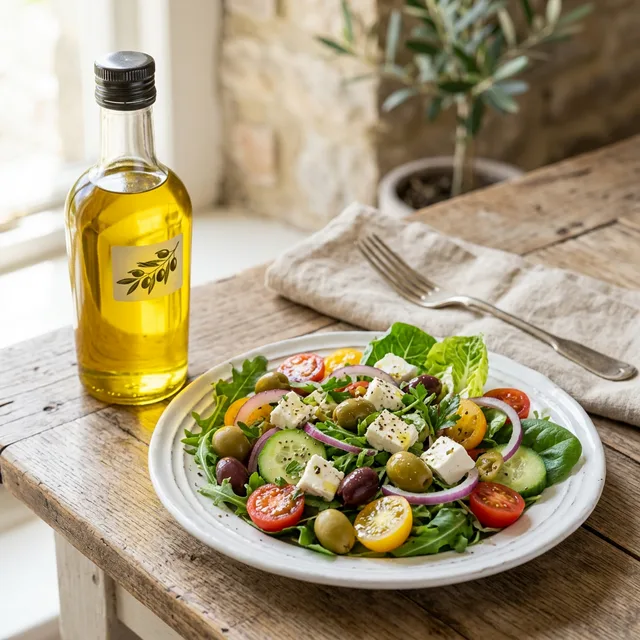
The Simple Answer: Yes, Olive Oil Is Naturally Gluten Free
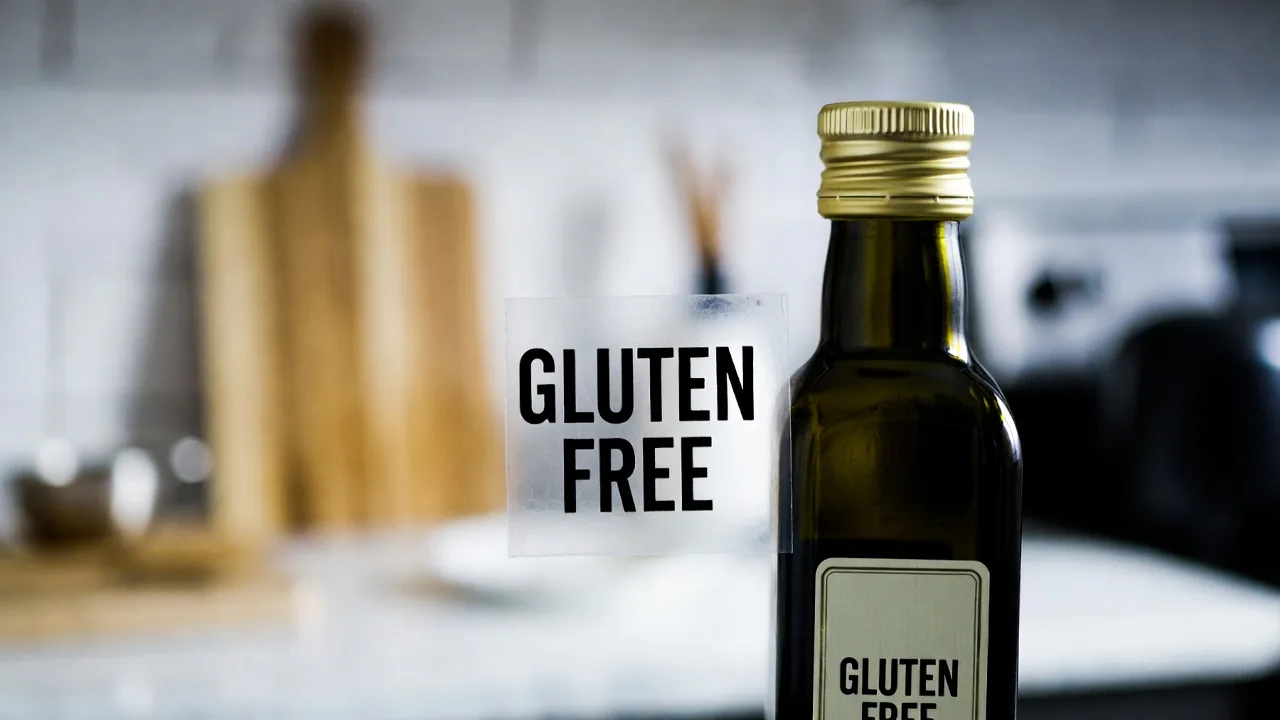
Olive oil is made from one ingredient: olives. Olives are a fruit that grows on the Olea europaea tree, and they contain absolutely no gluten proteins. Gluten is found exclusively in certain cereal grains — specifically wheat, barley, rye, and their derivatives, as explained by the Celiac Disease Foundation. Since olives belong to an entirely different botanical family, there is no biological mechanism by which gluten could naturally occur in olive oil.
The process of making olive oil is equally straightforward. Olives are harvested, washed, crushed into a paste, and then the oil is separated through mechanical pressing or centrifugation. At no point are any gluten-containing ingredients added. The FDA's gluten-free labeling standards confirm that products made solely from olives qualify as gluten free.
This applies to all grades and varieties. Whether you prefer a robust early-harvest Tuscan oil or a mild Arbequina from Spain, the gluten-free status remains the same. When selecting olive oil, your main consideration should be quality and proper bottle storage rather than gluten content.
Understanding Gluten: Why Olive Oil Is Safe
To fully appreciate why olive oil is gluten free, it helps to understand what gluten actually is. Gluten is a family of storage proteins — primarily gliadin and glutenin — found in the endosperm of wheat, barley, and rye. According to Mayo Clinic, for people with celiac disease, consuming even trace amounts triggers an autoimmune response.
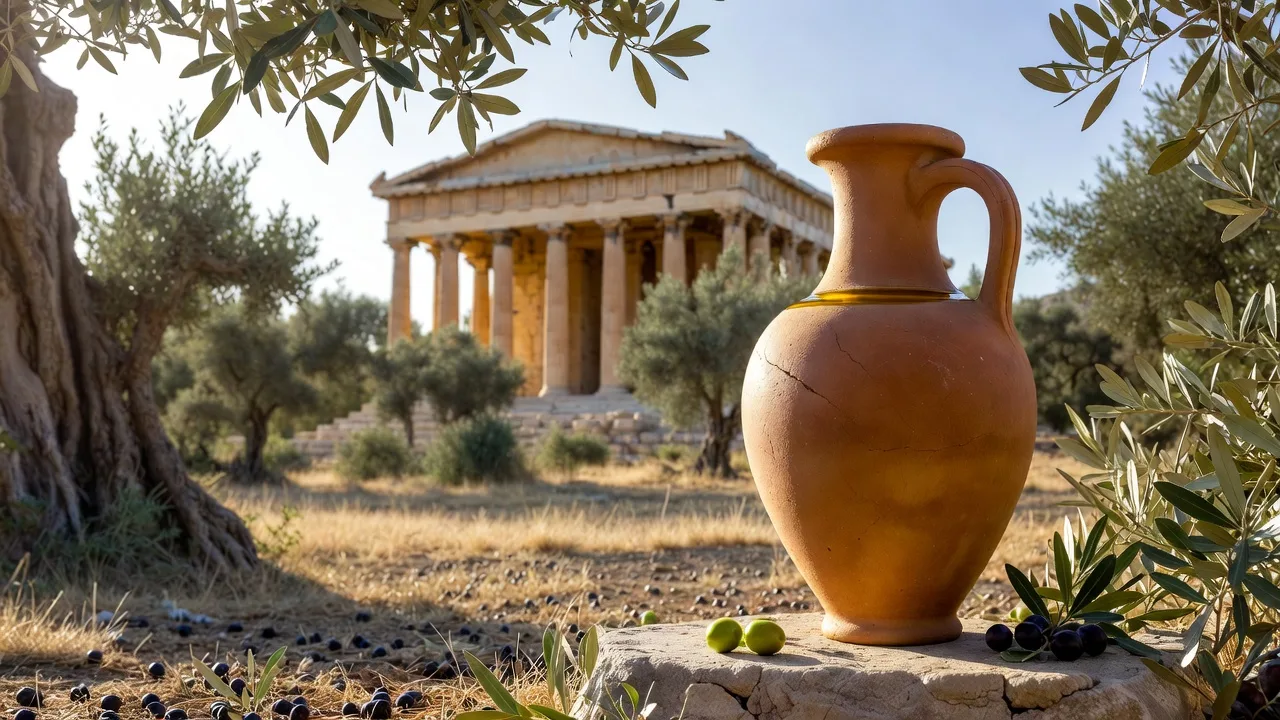
Because olive oil is a pure fat extracted from fruit, it shares nothing in common with grain proteins. Its molecular composition — oleic acid, polyphenols, vitamin E — contains zero protein of any kind. This is why olive oil has been safe for all dietary needs since it was first pressed in ancient Greek civilization.
When Could Olive Oil Contain Gluten? Potential Risks
Flavored and Infused Olive Oils
While pure olive oil is always gluten free, flavored olive oils introduce potential risk. Some commercially produced flavored oils may contain ingredients derived from wheat, or be processed in facilities handling gluten-containing products. Always read labels carefully.
Cross-Contamination During Processing
Cross-contamination risk in olive oil production is extremely low — oil mills process only olives. However, choosing oil from dedicated producers and storing it in proper dark glass or ceramic bottles from specialized olive oil brands further minimizes any risk. Our guide on oil olive bottles covers how to identify quality packaging from reputable producers.
Shared Kitchen Equipment
In a home kitchen, olive oil can become contaminated through shared utensils. If you fry breaded chicken in oil and then use the remaining oil for a gluten-free dish, the oil has been contaminated. Maintaining separate bottles eliminates this risk.
Olive Oil as the Foundation of Gluten-Free Cooking
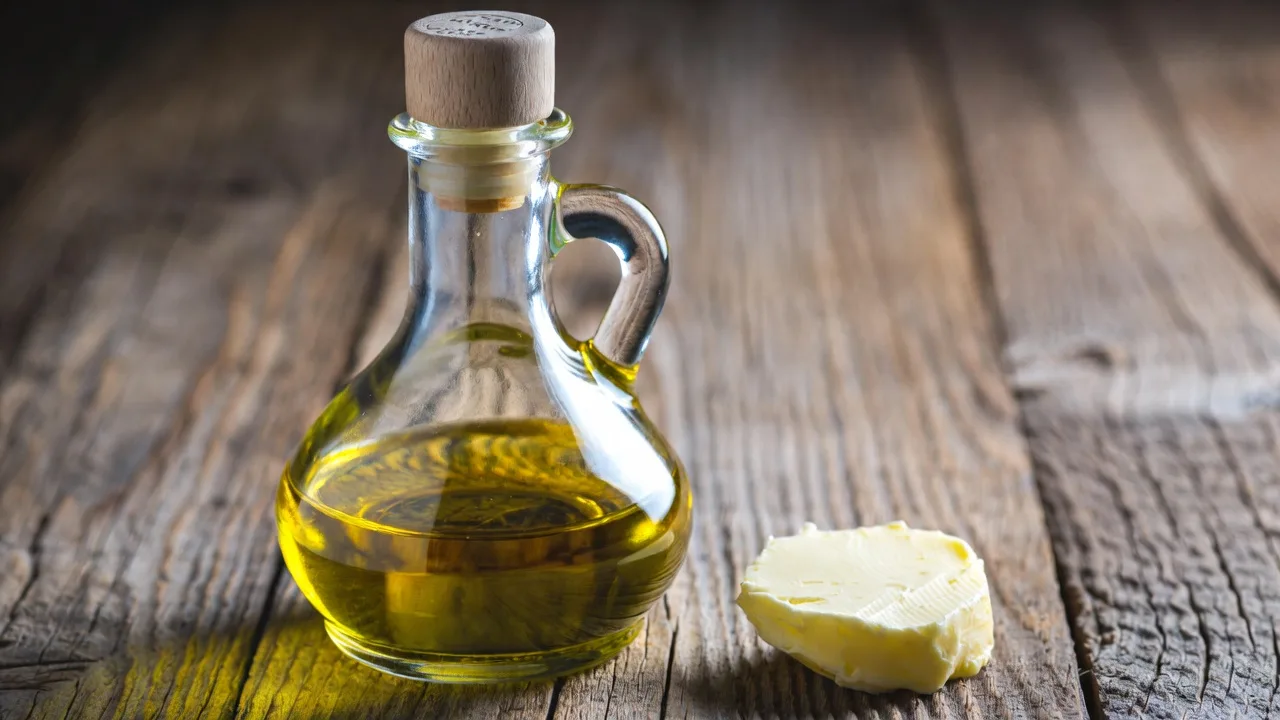
Far from being merely "safe" for gluten-free diets, olive oil is one of the most valuable ingredients in the gluten-free kitchen. It provides moisture and richness that gluten-free baked goods often lack. It also serves as a superior alternative to butter — replacing saturated fat with heart-healthy monounsaturated fat. The Harvard School of Public Health recommends olive oil as a primary cooking fat.
Here are excellent ways to incorporate olive oil into gluten-free cooking:
- Salad dressings: Whisk extra virgin olive oil with lemon juice, herbs, and salt for a simple, completely gluten-free dressing.
- Gluten-free pasta: Toss cooked gluten-free pasta with quality olive oil, garlic, and fresh vegetables.
- Roasting vegetables: Coat root vegetables in olive oil before roasting for caramelized, flavorful results.
- Gluten-free baking: Replace butter with olive oil in many cake and muffin recipes for a moist, tender crumb using the ¾ ratio.
- Dipping: Serve premium extra virgin olive oil with gluten-free bread for an elegant appetizer.
- Marinades: Use olive oil as the base for gluten-free marinades combining citrus, herbs, and spices for proteins.
Nutritional Benefits for Gluten-Free Diets
People following gluten-free diets sometimes struggle with adequate nutrition. Olive oil helps fill these gaps with monounsaturated fatty acids, vitamin E, vitamin K, and polyphenol antioxidants. Research published in the European Journal of Clinical Nutrition shows that celiac patients on a Mediterranean-style diet rich in olive oil have better nutritional markers.
The anti-inflammatory properties of olive oil may also soothe intestinal inflammation associated with celiac disease, as documented in studies on PubMed. These same polyphenols that ancient Greek physicians like Hippocrates used medicinally are the same compounds that modern science validates. To preserve them, always store olive oil in dark bottles away from light and heat.
Frequently Asked Questions
Is extra virgin olive oil gluten free?
Yes. Extra virgin olive oil is the purest grade, made from cold-pressed olives with no additives. It is completely gluten free and offers the highest level of health-promoting polyphenols.
Can celiac patients cook with olive oil?
Absolutely. Pure olive oil of any grade is safe. It's also an excellent substitute for butter in cooking and baking for those managing multiple dietary restrictions.
Are olive oil sprays gluten free?
Most are, but some contain propellants or emulsifiers derived from wheat. Check labels to be certain.
Is olive oil safe for a wheat allergy?
Yes. Olive oil contains no wheat proteins and is safe for people with wheat allergies as well as celiac disease.
Conclusion: Olive Oil Is Your Gluten-Free Ally
Is olive oil gluten free? Without question, yes. Pure olive oil is one of the safest, healthiest, and most versatile ingredients for a gluten-free lifestyle. With its ancient Mediterranean heritage, proven health advantages over butter, and natural purity, olive oil deserves a central place in every gluten-free kitchen. Just remember to store it properly to maintain its full spectrum of benefits.