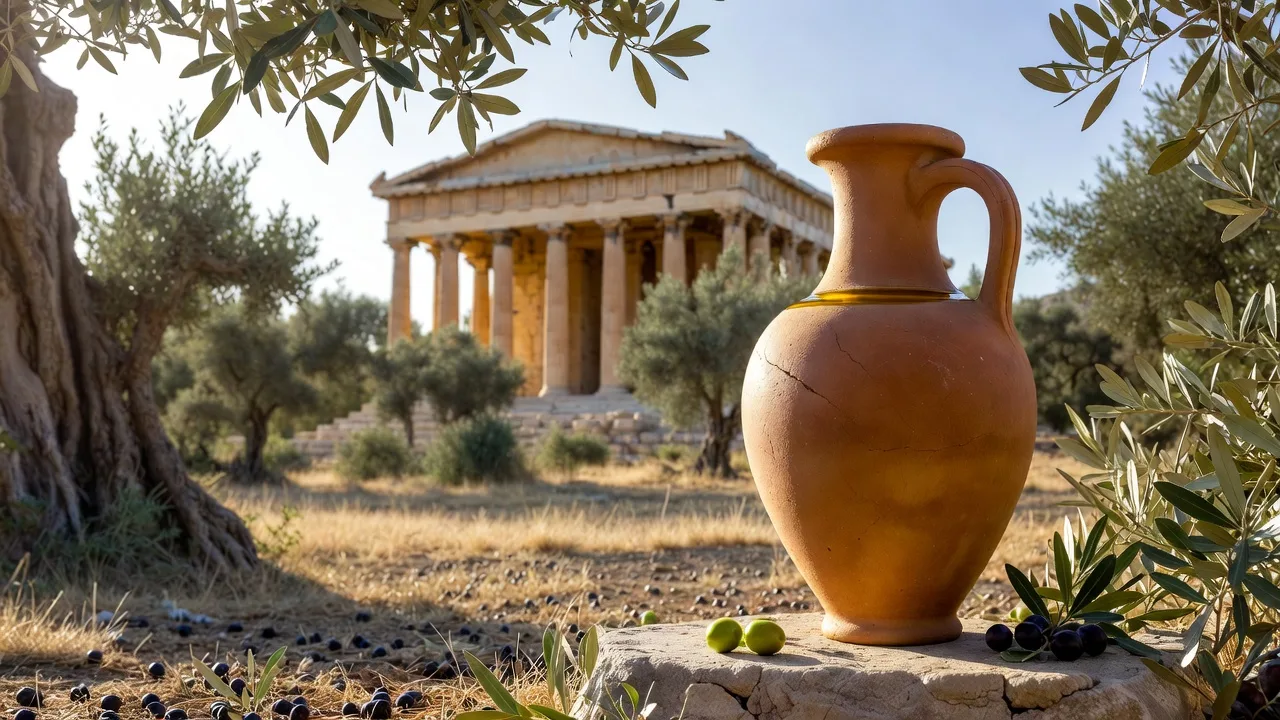
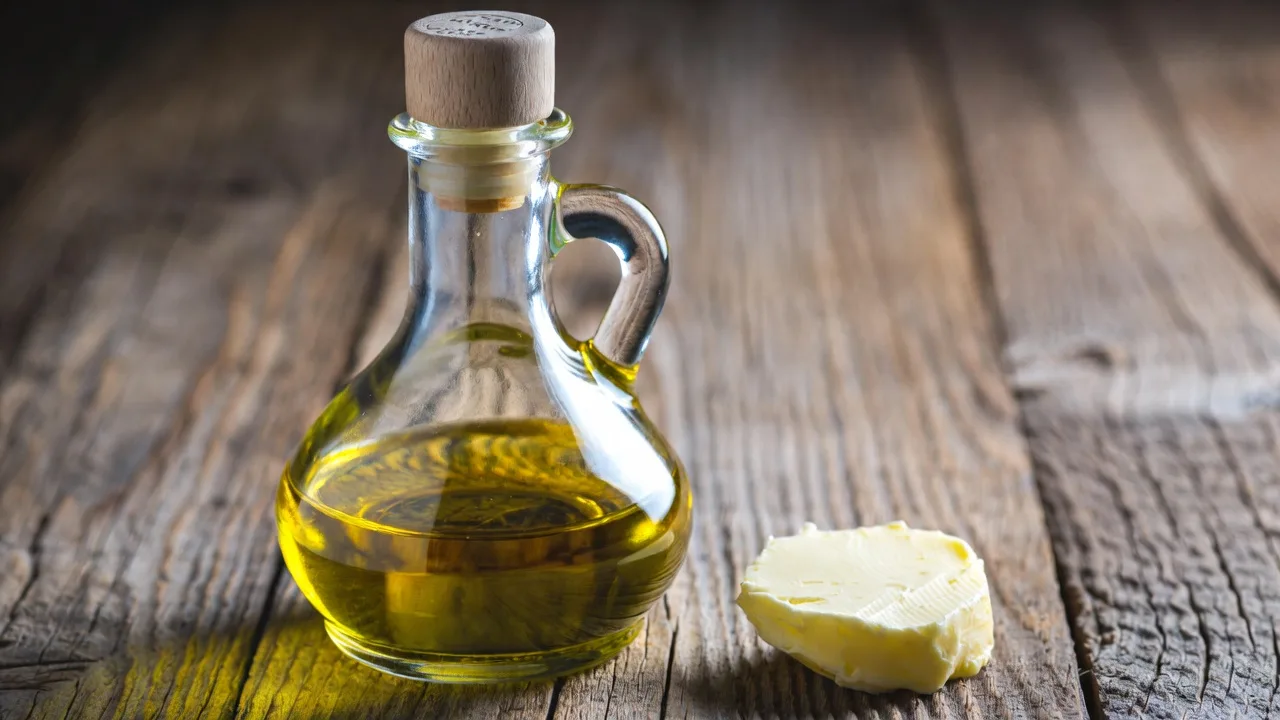
The butter olive oil debate is one of the oldest discussions in the culinary world. Home cooks and professional chefs alike have strong opinions about which fat belongs in their kitchen. Both bring unique flavors, textures, and nutritional profiles to the table, and understanding when to use each one can elevate your cooking. Olive oil's 5,000-year Mediterranean heritage makes a compelling case for its central role in any kitchen.
Butter vs Olive Oil: Nutritional Comparison
From a nutritional standpoint, butter and olive oil differ dramatically. Butter is approximately 63% saturated fat; one tablespoon provides 7 grams of saturated fat and 31 milligrams of cholesterol. Olive oil is dominated by monounsaturated fat (73%), with only 2 grams of saturated fat per tablespoon and zero cholesterol, according to the USDA FoodData Central database.
The landmark PREDIMED study published in the New England Journal of Medicine demonstrated that a Mediterranean diet supplemented with extra virgin olive oil reduced cardiovascular events by approximately 30%. The American Heart Association recommends olive oil as a heart-healthy cooking fat.
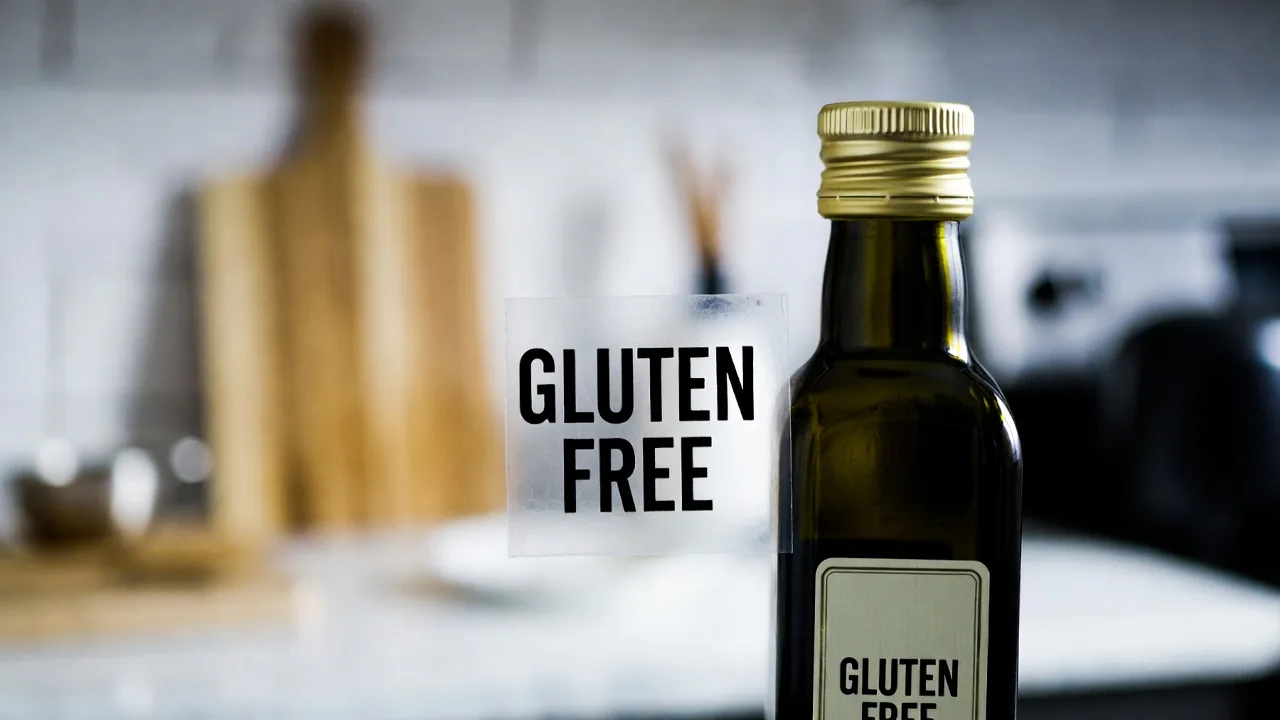
For those with dietary restrictions, an important additional benefit of olive oil over butter is that olive oil is naturally 100% gluten free, making it safe for people with celiac disease and gluten sensitivity — unlike butter, which is dairy-based and may be problematic for those with lactose intolerance.
Smoke Points: When to Use Each Fat
Butter has a relatively low smoke point of approximately 150°C (302°F), making it poorly suited for high-heat cooking. Extra virgin olive oil has a significantly higher smoke point of 190-210°C (375-410°F). Research published in Acta Scientific Nutritional Health confirmed that olive oil retains its antioxidant properties at normal cooking temperatures.
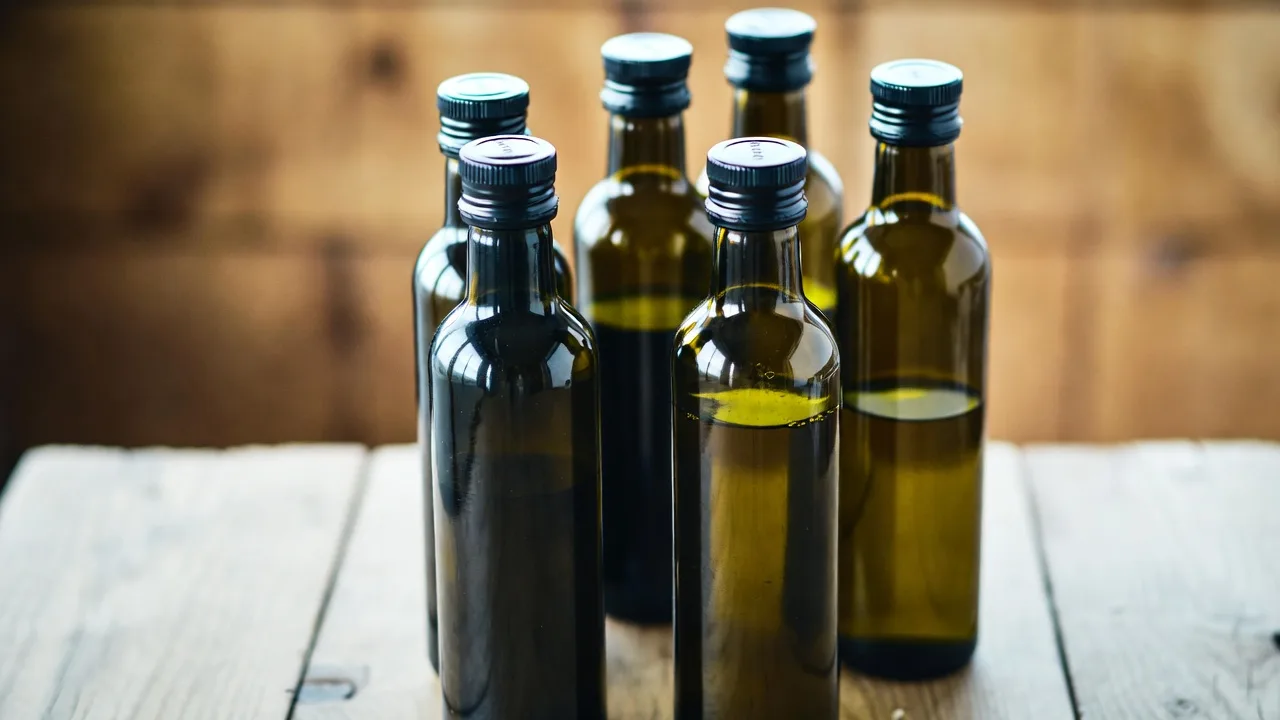
For the highest-heat applications, consider refined olive oil (240°C/465°F) or a butter-olive oil blend. When storing olive oil for cooking, choosing the right bottle ensures your oil maintains its smoke point stability and quality over time.
Flavor Profiles: The Art of Fat Selection
Butter delivers rich, creamy, almost sweet flavor with caramel notes when browned. Olive oil offers fruity, grassy, herbaceous, or peppery characteristics that vary dramatically by variety (Koroneiki, Picual, Frantoio, Arbequina) and region. These diverse flavor profiles are rooted in thousands of years of Mediterranean olive cultivation, from the sacred groves of ancient Athens to modern organic estates in Crete.
Substituting Butter with Olive Oil in Baking
The general conversion rule: use ¾ the amount of olive oil to replace butter (because butter is 80% fat while olive oil is 100% fat).
- 1 tablespoon butter = 2¼ teaspoons olive oil
- ¼ cup butter = 3 tablespoons olive oil
- ½ cup butter = ¼ cup + 2 tablespoons olive oil
- 1 cup butter = ¾ cup olive oil
Olive oil excels in cakes, muffins, quick breads, brownies, and pizza dough. The classic Italian olive oil cake, celebrated by Bon Appétit, is supremely moist and fragrant. However, recipes that depend on creaming solid butter with sugar won't work as well.
For gluten-free bakers, olive oil is doubly beneficial: it is naturally gluten free and provides the moisture that gluten-free batters often lack. When combined with gluten-free flours, olive oil creates a tender crumb that rivals traditional wheat-based recipes.
Combining Butter and Olive Oil: The Best of Both Worlds
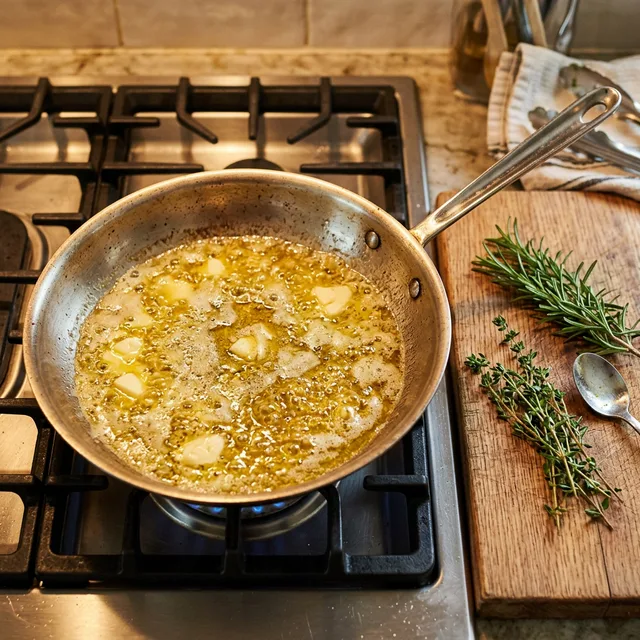
Many experienced cooks use them together. Start by heating olive oil in a pan, then add a knob of butter as the oil shimmers. The olive oil prevents burning while the butter contributes flavor. This classic French technique works for pan-searing, omelets, and sautéing — a principle Serious Eats champions in their cooking methodology.
For finishing dishes: toss hot pasta with olive oil, then stir in cold butter for a silky emulsion. Drizzle olive oil over a grilled steak, then add herb-compound butter as it rests. The interplay creates something greater than either fat alone.
Health Considerations: Making the Right Choice
For everyday cooking, the evidence strongly favors olive oil as your primary cooking fat. The World Health Organization recommends replacing saturated fats with unsaturated alternatives like olive oil. The Mediterranean populations consuming the most olive oil consistently rank among the world's healthiest.
To maximize these benefits, proper storage is essential. Our comprehensive guide on oil olive bottles explains how different container materials — from dark glass to ceramic and stainless steel — protect the beneficial polyphenols and antioxidants that make olive oil so valuable for your health.
Butter still has its place — in moderation. A pat on vegetables, a knob in a sauce, a tablespoon in baking. The key is proportion: olive oil as the default, butter as the accent. This balanced approach echoes the wisdom of ancient Mediterranean civilizations that built their entire cuisine around olive oil.
Conclusion: Embracing Both Fats Wisely
The butter olive oil debate doesn't have a single winner — but olive oil earns the everyday hero role. It's heart-healthy, naturally gluten free, rich in antioxidants, and suitable for nearly every technique. Butter brings irreplaceable magic in pastry and finishing. Stock both — keep your olive oil in quality dark bottles, and use each where it shines.